





What's Happening?
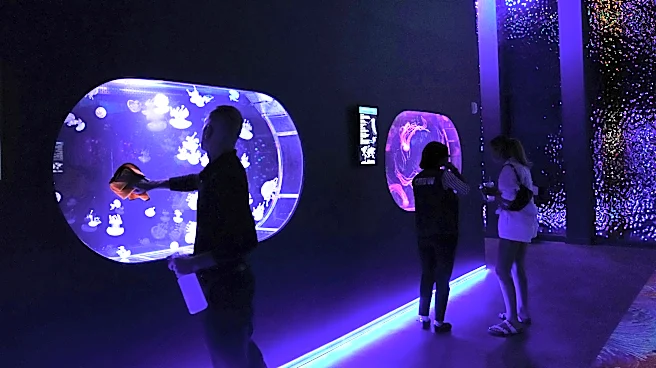
Pompano Beach, Florida, has become home to what is believed to be the first museum in the United States exclusively dedicated to jellyfish. The Jellyfish Museum, a private institution, opened its doors this past spring, showcasing approximately 20 unique
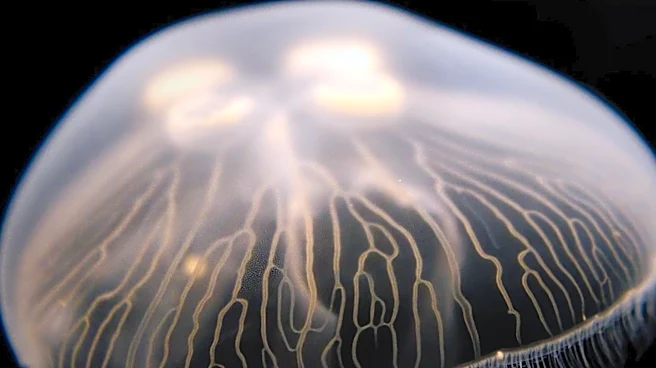
species of jellyfish from Florida waters and other global regions. The museum, spanning nearly 10,000 square feet, features 21 tanks that rotate different species, including Japanese sea nettles, moon jellyfish, spotted jellies, and upside-down jellyfish. The facility was founded by Alex and Yana Yanovsky, who previously established successful aquariums and a jellyfish museum in Ukraine before relocating to the U.S. following the 2022 Russian invasion. Operations manager Jessica Eisenbarth stated that the couple aimed to share their passion for these creatures in Florida. The jellyfish are sourced through licensed aquaculture partners, and the museum's design emphasizes calm and tranquility, aiming to educate visitors on the role of jellyfish in marine ecosystems and the importance of their protection.
Why It's Important?
The establishment of the Jellyfish Museum in Florida marks a significant development in marine education and tourism within the U.S. It provides a unique opportunity for the public to observe and learn about these ancient and often misunderstood marine invertebrates up close, without needing to scuba dive. This initiative could boost local tourism in Pompano Beach, attracting visitors interested in marine life and unique cultural attractions. Furthermore, by focusing on the ecological role of jellyfish and the need for their protection, the museum contributes to broader environmental awareness efforts. It highlights the resilience of jellyfish, which have survived for over 500 million years, and their importance in marine ecosystems. The museum's educational mission could inspire greater interest in marine biology and conservation among its visitors, potentially fostering future generations of environmental stewards. The project also represents a new chapter for its founders, who are rebuilding their aquatic attraction ventures in the U.S. after leaving their previous operations in Ukraine.
What's Next?
The Jellyfish Museum plans to continue its mission of educating the public about jellyfish and their ecological significance. The founders, Alex and Yana Yanovsky, have expressed a desire to expand their aquatic attractions in the future, indicating potential growth for similar specialized museums or exhibits. The museum will likely continue to rotate its collection of jellyfish species, offering new experiences for repeat visitors. Guides will persist in teaching about the diversity of jellyfish, with around 4,000 known species, and their vital role in marine environments. The museum's success could also inspire other regions or institutions to consider similar specialized marine exhibits, further diversifying the U.S. landscape of educational and tourist attractions. The ongoing educational efforts are expected to raise public awareness about marine conservation and the unique characteristics of jellyfish.
Beyond the Headlines
The Jellyfish Museum's opening in Florida reflects a growing trend in specialized educational and entertainment venues that focus on niche aspects of the natural world. This specialization allows for deeper engagement with specific topics, moving beyond general aquariums to provide a more immersive and detailed understanding of particular species. The museum's emphasis on the 'mesmerizing' and 'meditative' qualities of jellyfish also taps into a broader cultural appreciation for natural beauty and tranquility, offering a unique form of escapism and contemplation. Ethically, the museum's commitment to acquiring jellyfish through licensed aquaculture partners underscores responsible practices in animal exhibition, ensuring that the collection does not negatively impact wild populations. The story also subtly highlights the resilience and adaptability of its founders, who, after fleeing conflict, have successfully re-established their passion project in a new country, contributing to the local economy and cultural landscape.