







What's Happening?
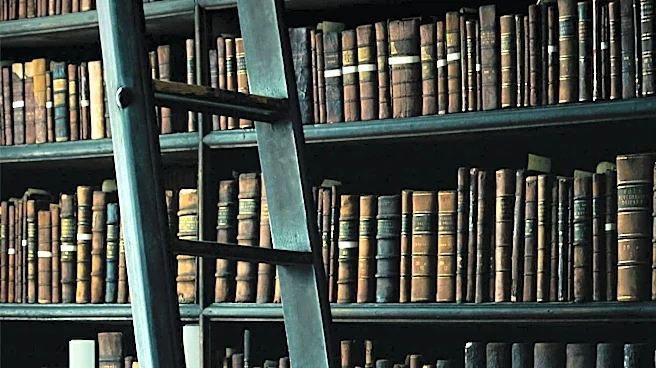
Extensive archival materials related to Objectivist poet George Oppen (1908-1984) and his literary circle are preserved across several U.S. university collections. The Mandeville Special Collections at the University of California, San Diego, houses a major
collection including manuscripts, typescripts, drafts of published and unpublished poems, essays, and Oppen's personal daybooks. This collection also contains significant correspondence from family members, editors, and other poets. Additional materials include the papers of Mary Oppen, George's wife, featuring photographic documentation, artworks, and drafts of her autobiography "Meaning A Life." The June Oppen Degnan Papers, belonging to George's sister, document her activities as a publisher and her association with prominent literary figures. Other institutions like Yale University, the Harry Ransom Center, Stanford University, the University of Wisconsin-Milwaukee, and Indiana University also hold correspondence and research materials related to Oppen and other Objectivist poets such as Carl Rakosi.
Why It's Important?
The preservation of these archival collections is crucial for the study of 20th-century American poetry, particularly the Objectivist movement. For literary scholars, historians, and students in the U.S., these materials provide invaluable primary sources for understanding the creative process, intellectual exchanges, and personal lives of influential poets. They offer insights into the development of poetic forms, the political and cultural contexts of their time, and the intricate networks within the literary community. These archives ensure that the legacy of figures like George Oppen remains accessible for research, contributing to a deeper appreciation of American literature and its historical evolution, and informing future generations about the intellectual currents that shaped modern poetry.
What's Next?
These archival collections will continue to serve as vital resources for academic research, literary analysis, and biographical studies of George Oppen and his contemporaries. Scholars will likely continue to explore the extensive correspondence to uncover new insights into the Objectivist movement, its influences, and its impact on American poetry. The availability of these detailed finding aids online facilitates access for researchers worldwide, potentially leading to new publications, critical interpretations, and educational programs. The ongoing digitization efforts by some institutions may further enhance accessibility, ensuring these significant literary legacies are preserved and actively engaged with by future generations of literary enthusiasts and academics.
Beyond the Headlines
The meticulous preservation of these literary archives highlights the broader cultural value placed on intellectual heritage and the importance of primary sources in academic inquiry. Beyond mere historical records, these collections offer a window into the human experience of creation, collaboration, and intellectual struggle. The inclusion of personal items like Mary Oppen's dream journal or George Oppen's daybooks provides a more intimate understanding of the artists behind the work, revealing the interplay between life and art. Such archives also underscore the role of universities and libraries as custodians of cultural memory, ensuring that the complex narratives of American literary history are not lost but continually re-examined and reinterpreted.