




What's Happening?
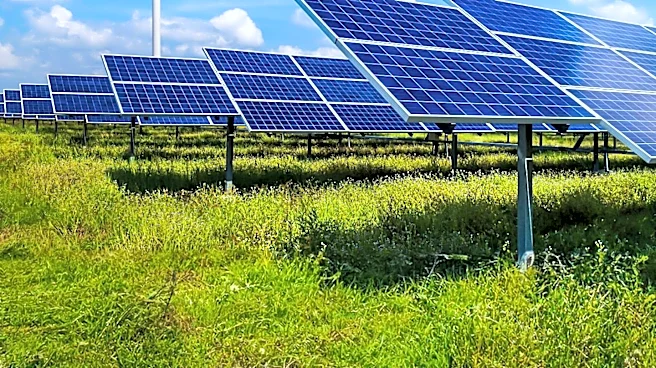
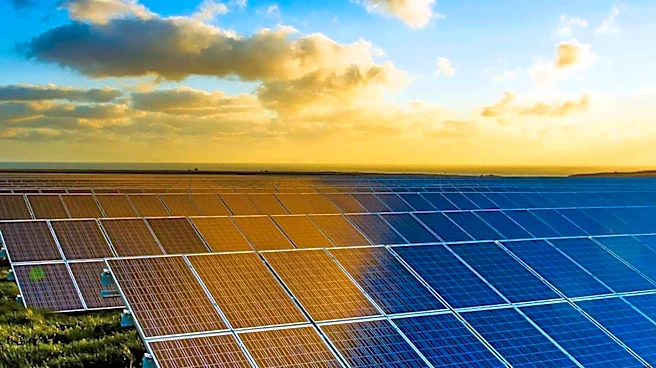
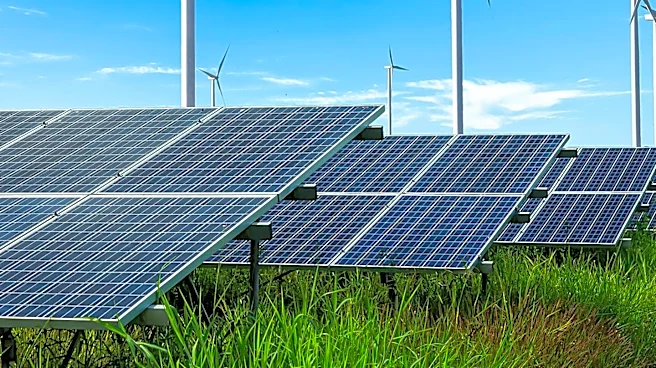
The International Finance Corporation (IFC), the Emerging Africa & Asia Infrastructure Fund (EAAIF), and Ninety One have committed an $88.6 million financing package for the first phase of a 100MWp solar power plant in Dawa, Ghana. The IFC is providing
a direct loan of $24.2 million and has partnered with EAAIF, Ninety One, and the World Bank's International Development Association (IDA) to mobilize a total debt package of $60.6 million. LMI Holdings is contributing $28 million in equity. This ground-mounted solar facility is projected to generate approximately 129.5 GWh of electricity annually during its initial phase, which will be transmitted to the Tema Free Zone to supply over 95 industrial manufacturers.
Why It's Important?
This investment is critical for Ghana's industrial growth and clean energy transition. By providing lower-cost renewable electricity, the project aims to strengthen the competitiveness of Ghanaian manufacturers, particularly in energy-intensive sectors like cocoa processing, cement, and steel. This will help businesses reduce electricity costs, lower emissions, expand production, create jobs, and compete more effectively in regional and global markets. The project also supports Ghana's Renewable Energy Master Plan, which targets a 10% renewable energy share in the national generation mix by 2030, and aligns with PIDG's strategy focusing on climate finance and infrastructure development in emerging markets.
What's Next?
The first phase of the 100MWp solar power plant is expected to begin generating approximately 129.5 GWh of electricity annually, which will be supplied to industrial manufacturers in the Tema Free Zone and Dawa Industrial Zone. This will provide a stable and more affordable power source, potentially leading to increased industrial output and job creation. The project's success could also pave the way for further private investment in Ghana's renewable energy sector, helping the country achieve its ambitious clean energy targets and fostering sustainable economic development. The involvement of EPCL, Ghana's first licensed private electricity distributor, offers an alternative to conventional state utility arrangements, potentially mitigating risks associated with state-owned electricity buyers.
Beyond the Headlines
This solar power project represents a significant step towards de-risking private sector investment in critical infrastructure in emerging markets. By involving multiple international financial institutions and private investors, the project demonstrates a collaborative model for financing large-scale renewable energy initiatives. It also highlights the growing recognition that clean energy transition is not just an environmental imperative but also a strategic economic advantage for developing nations. The project's focus on industrial consumers underscores the direct link between reliable, affordable, and clean energy and the competitiveness of a nation's manufacturing sector, fostering a more sustainable and resilient economy.