





What's Happening?
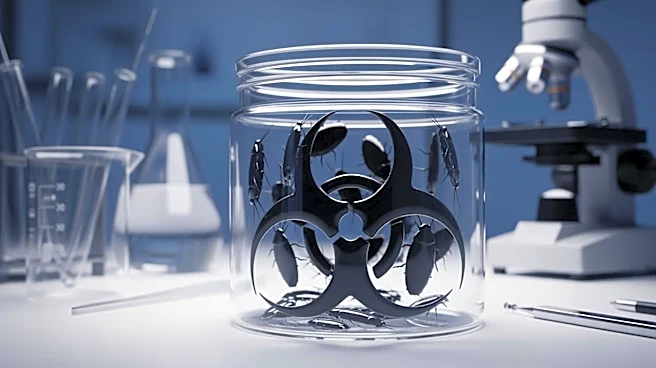
In a significant biosecurity operation, Australian authorities have confiscated over 100,000 live cockroaches from a breeder in Bathurst, New South Wales. This marks the country's largest-ever seizure of exotic invertebrates. The confiscated species include
Madagascar hissing cockroaches and dubia cockroaches, valued at approximately 200,000 Australian dollars ($142,000). These species are illegal to import, keep, breed, or sell in Australia due to their potential threat to native wildlife and agriculture. The Department of Climate Change, Energy, Environment and Water emphasized the importance of strict biosecurity measures to prevent pest infestations that could harm the country's agriculture and horticulture sectors. The seized cockroaches are set to be euthanized, and while no charges were filed against the breeder, officials warned of potential prosecutions for similar offenses.
Why It's Important?
This incident underscores the critical role of biosecurity in protecting Australia's unique ecosystem and agricultural industries. The introduction of non-native species like the Madagascar hissing cockroach poses significant risks, including the spread of diseases and competition with native species. Australia's strict biosecurity laws are designed to prevent such threats, safeguarding the environment and the economy. The seizure highlights the ongoing challenges faced by authorities in enforcing these regulations and the need for public awareness about the legal and environmental implications of keeping exotic pets. The operation serves as a reminder of the potential economic and ecological consequences of biosecurity breaches.
What's Next?
Following the seizure, Australian authorities are likely to increase surveillance and enforcement efforts to prevent similar incidents. The Department of Climate Change, Energy, Environment and Water may also engage in public education campaigns to inform pet owners about legal alternatives for reptile food and the risks associated with illegal exotic species. Additionally, there could be discussions on enhancing penalties for biosecurity violations to deter future breaches. The incident may prompt a review of current biosecurity measures to ensure they are robust enough to address emerging threats.