





What's Happening?
TopDoctor Magazine has published guidance on maintaining joint health and improving mobility, emphasizing several key practices. The recommendations include improving posture and movement habits to ensure better weight distribution and reduce stress on joints.
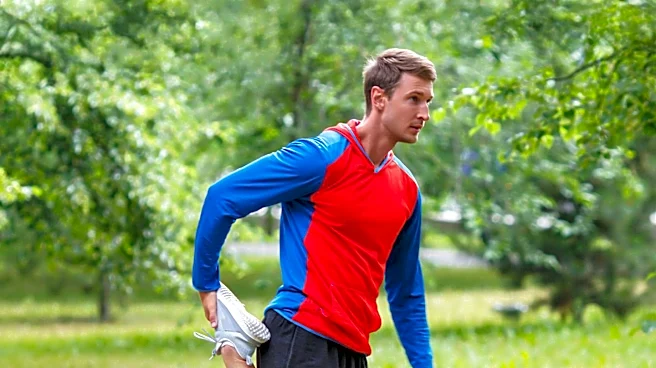
The article advises against prolonged stationary postures, suggesting regular breaks, gentle stretching, and changes in position. It also highlights the importance of proper lifting techniques, such as bending the knees and keeping weight close to the torso. Furthermore, the magazine stresses the necessity of staying physically active through low-impact exercises like walking, swimming, and cycling to maintain flexibility and strengthen surrounding muscles. Attention to knee pain is also advised, with a recommendation to seek professional medical opinion if pain persists or hinders daily function. The publication underscores the role of a healthy weight in reducing strain on load-bearing joints like the knees and hips, advocating for a holistic approach that combines regular exercise with a balanced diet rich in fruits, vegetables, protein, and grains. Finally, the article points out the importance of adequate rest and avoiding overuse of joints to prevent inflammation and injury.
Why It's Important?
The advice from TopDoctor Magazine is crucial for a broad segment of the U.S. population, particularly as the country faces an aging demographic and rising rates of obesity, both of which contribute to joint health issues. By promoting proactive measures such as improved posture, regular low-impact exercise, and weight management, the guidance can help reduce the incidence and severity of chronic joint pain and mobility limitations. This has significant implications for public health, potentially lowering healthcare costs associated with joint-related conditions, surgeries, and long-term care. Individuals stand to gain improved quality of life, enhanced physical independence, and reduced discomfort. Employers might also see benefits through a more active and less pain-afflicted workforce, potentially leading to fewer sick days and higher productivity. Conversely, those who neglect these recommendations may face increased health challenges, diminished mobility, and a greater reliance on medical interventions, impacting both their personal well-being and the broader healthcare system.
What's Next?
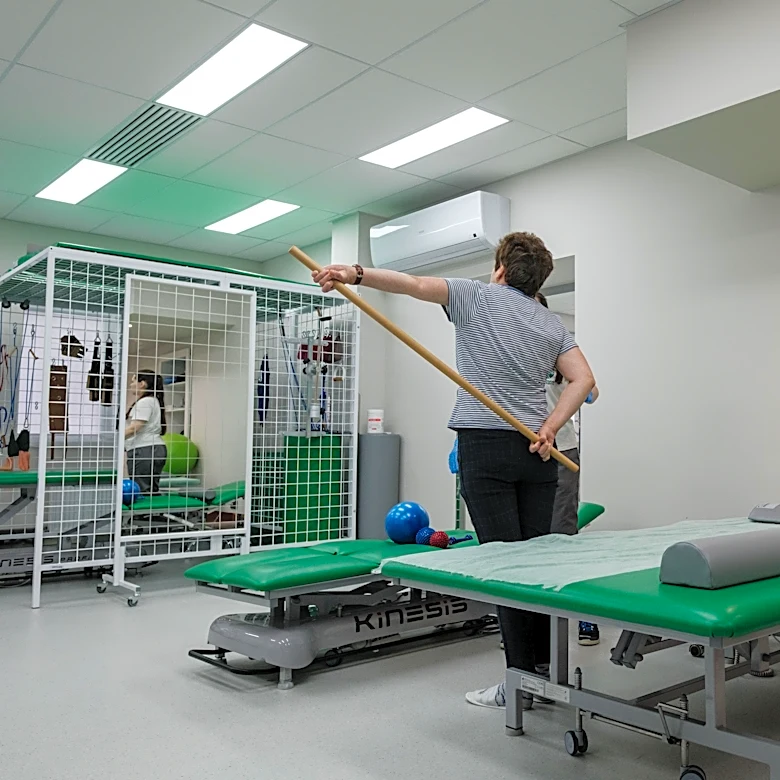
Following the publication of these guidelines, it is anticipated that healthcare providers and wellness programs across the U.S. may integrate these recommendations into their patient education and health promotion initiatives. Public health campaigns could leverage this information to encourage healthier lifestyle choices aimed at joint preservation. Individuals are encouraged to assess their current habits and incorporate these practical tips into their daily routines. Fitness centers and physical therapists might see an increased demand for programs focusing on posture correction, low-impact exercises, and mobility training. The emphasis on seeking professional help for persistent knee pain suggests a potential uptick in consultations with orthopedic specialists and physical therapists, leading to earlier diagnosis and intervention for joint issues. Long-term, a wider adoption of these practices could contribute to a healthier, more mobile population, potentially influencing policy discussions around preventive healthcare and wellness funding.
Beyond the Headlines
Beyond the immediate health benefits, the emphasis on joint health and mobility touches upon deeper societal and economic implications. A population with better mobility can remain active and engaged in the workforce and community for longer, contributing to economic productivity and social cohesion. The focus on preventive measures also highlights a shift towards proactive health management rather than reactive treatment, which could influence healthcare insurance models and personal health spending. Ethically, promoting accessible and actionable advice empowers individuals to take control of their health, fostering a sense of self-efficacy. Culturally, it reinforces the value of physical well-being as a cornerstone of a fulfilling life, potentially leading to a greater societal appreciation for activities that support long-term physical function. The interconnectedness of diet, exercise, and posture underscores a holistic view of health, moving beyond isolated symptom treatment to comprehensive wellness strategies.