



What's Happening?
The Hawaii State Department of Education (HIDOE) has initiated a partnership with Parker Ranch to provide locally raised beef to schools across Hawaii Island. This collaboration aims to integrate more island-grown products into school meal programs. Since
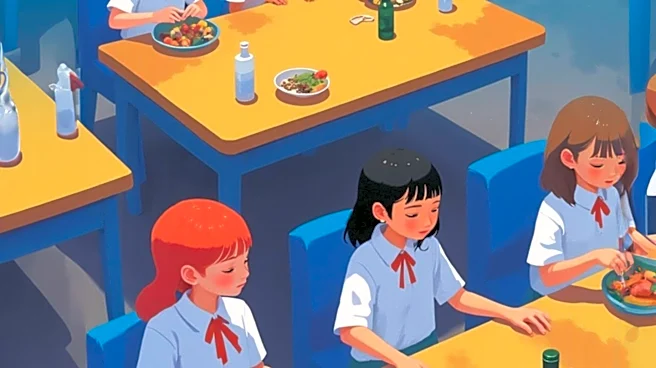
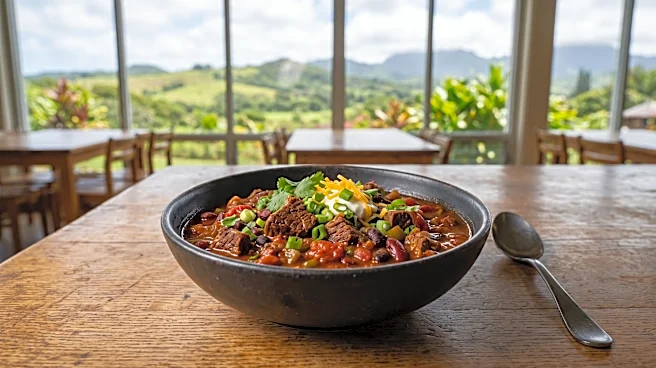
the program's inception, nearly 8,000 pounds of local beef have been served in various popular lunch dishes, including paniolo pasta, sloppy joes, chili, and hamburger stew. Students and cafeteria staff at Waimea Elementary School have noted a significant difference in quality, describing the local beef as 'better and more fresh' compared to mainland alternatives. Parker Ranch handles the entire process of raising and processing the beef on Hawaii Island, ensuring that the product remains local from production to school cafeterias. This initiative is part of HIDOE's broader effort to connect school cafeterias with regional food producers.
Why It's Important?
This partnership is significant for several reasons. It directly supports Hawaii's local agricultural industry by creating a consistent demand for locally raised beef, which can help stabilize and grow the state's ranching sector. By providing fresh, locally sourced ingredients, the program aims to improve the nutritional quality and taste of school meals, potentially encouraging healthier eating habits among students. Furthermore, it reduces the carbon footprint associated with transporting beef from the mainland, contributing to environmental sustainability. The initiative also fosters a sense of community and connection to local food systems among students and residents. The positive feedback from students and staff suggests that this model could be successfully replicated, leading to broader adoption of local food sourcing in public institutions across the state.
What's Next?
The Hawaii State Department of Education plans to explore similar partnerships on other islands, specifically Maui and Kauai, to expand the availability of locally sourced options in school meals. This indicates a strategic move towards a more comprehensive, statewide approach to integrating local agriculture into the public school system. The success of the Hawaii Island program will likely serve as a blueprint for these future expansions. Continued monitoring of student acceptance, nutritional impact, and economic benefits for local producers will be crucial in refining and scaling the program. The HIDOE will also likely assess the logistical challenges and opportunities in establishing these supply chains on other islands, aiming to replicate the positive outcomes observed on Hawaii Island.
Beyond the Headlines
This initiative represents a broader trend towards food localization and resilience, particularly in island communities that are often heavily reliant on imported goods. By strengthening local food systems, Hawaii can enhance its food security, making it less vulnerable to disruptions in global supply chains. The program also has cultural implications, as it reintroduces traditional food sources and supports local farming practices, potentially fostering a deeper appreciation for Hawaiian heritage among younger generations. From an economic perspective, it creates a virtuous cycle where local tax dollars support local businesses, which in turn employ local residents and contribute to the regional economy. This model could inspire other states and regions to invest in similar farm-to-school programs, recognizing the multifaceted benefits of local food sourcing.