




What's Happening?
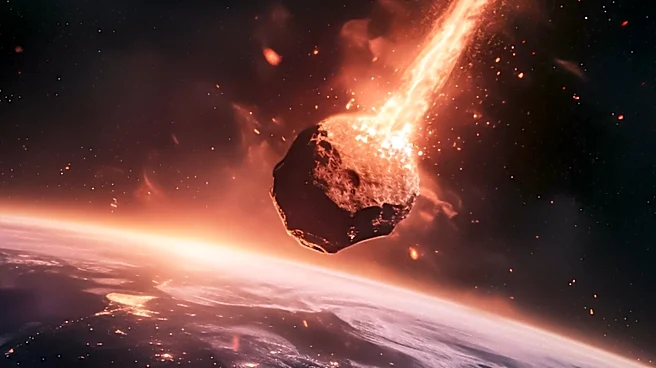
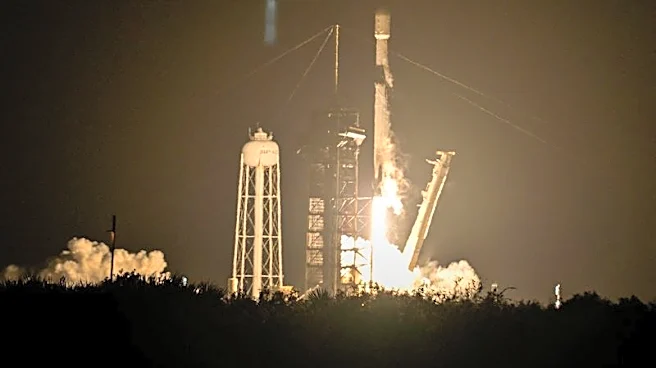
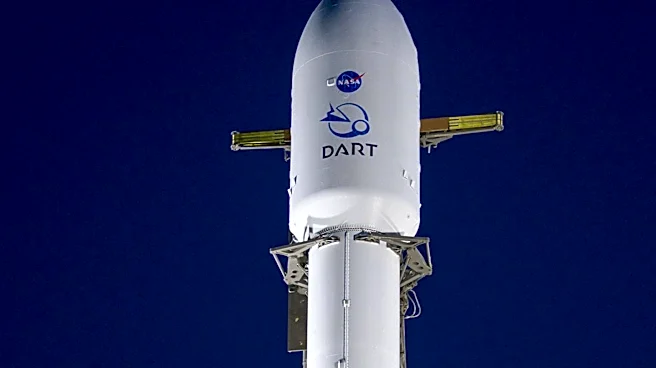
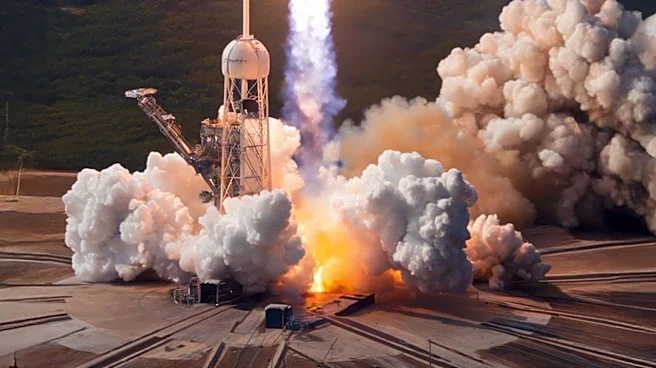
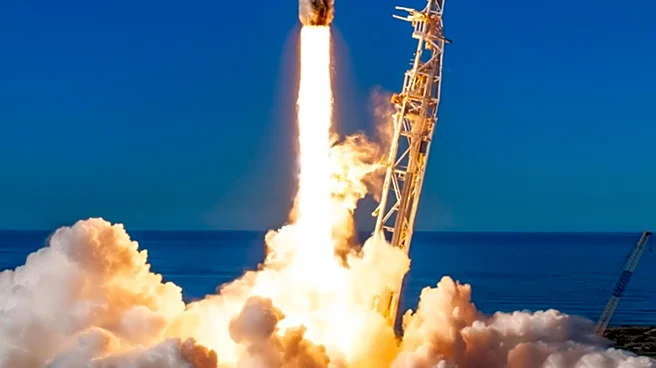
A piece of a SpaceX Falcon 9 rocket, which had been floating in space since January 2025, is believed to have crashed into the moon on August 5, 2026. The rocket's second stage, weighing four metric tons, was on a trajectory to impact the moon's surface
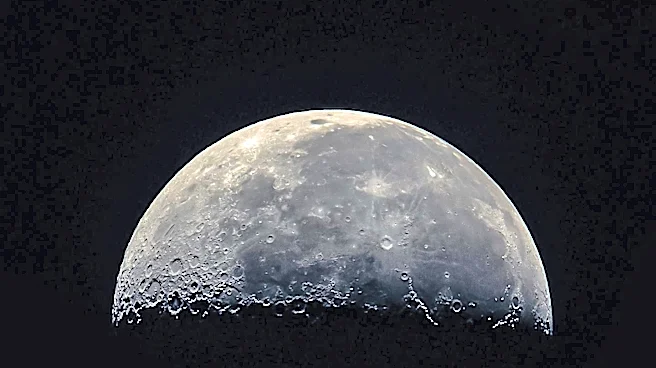
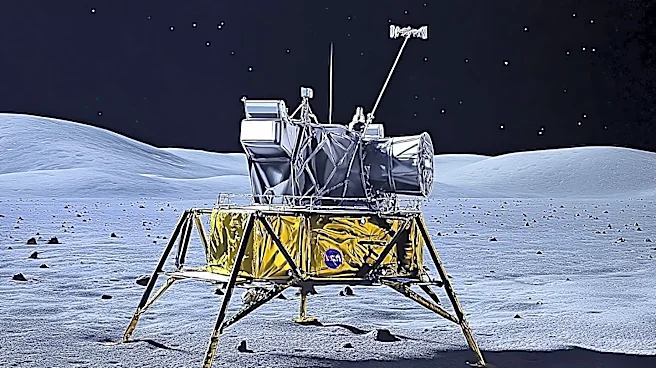
at high speed, traveling at 5,400 miles per hour. The impact was expected to occur at Einstein Crater on the moon's western limb. This event was unintentional, as the rocket stage had been left in space after a lunar lander mission required more thrust than usual. Astronomers had determined earlier this year that the stage was on a collision course with the moon due to a combination of solar activity and gravitational forces.
Why It's Important?
The incident highlights the growing issue of space debris and its potential impacts on celestial bodies. While the crash poses no immediate danger to human activities, it underscores the need for better management of space junk, which can pose risks to both space missions and the environment. The event also serves as a reminder of the challenges in controlling space debris and the importance of developing strategies to mitigate its impact. For the space industry, this incident may prompt discussions on improving protocols for deorbiting spent rocket stages and preventing unintended impacts on celestial bodies.
What's Next?
Scientists will likely study the impact site to gather data on the effects of such collisions on the lunar surface. This could provide insights into the moon's geology and the behavior of space debris. Additionally, space agencies and companies may explore new technologies and policies to prevent similar incidents in the future. Discussions between NASA and SpaceX are already underway to address the issue of space debris and its management, especially as plans for lunar bases and missions under the Artemis program progress.