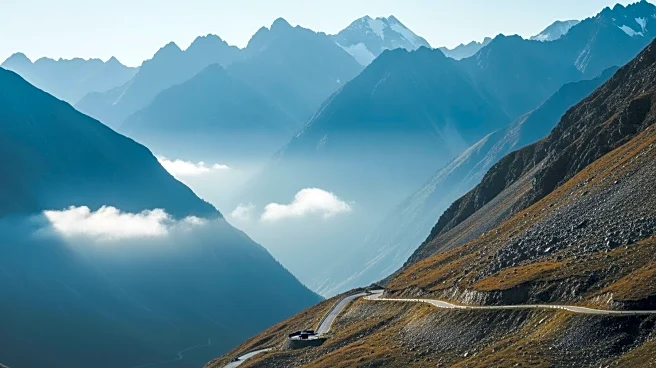

What's Happening?
Bolivia, a South American country with major cities located above 3,600 meters in altitude, is grappling with significant challenges related to health, agriculture, and infrastructure. Cities like La Paz
and El Alto, situated at these extreme altitudes, experience lower oxygen levels, affecting the health of residents and visitors. The high altitude leads to increased cases of respiratory and cardiovascular issues, necessitating specialized healthcare services. Additionally, the agricultural sector is limited by the cold climate and shallow soil, restricting crop variety and mechanization. Infrastructure development is also hindered by the challenging terrain, impacting transportation and economic integration.
Why It's Important?
The high altitude living conditions in Bolivia present unique challenges that affect the country's economic development and public health. The increased healthcare costs and infrastructure demands place a strain on government resources and limit economic growth. However, the geographical conditions also offer opportunities in sectors like mining and tourism, which can help offset some of the economic limitations. Understanding these challenges is crucial for policymakers and international partners working to support Bolivia's development. The situation highlights the need for innovative solutions to improve living conditions and economic prospects in high-altitude regions.