



What's Happening?
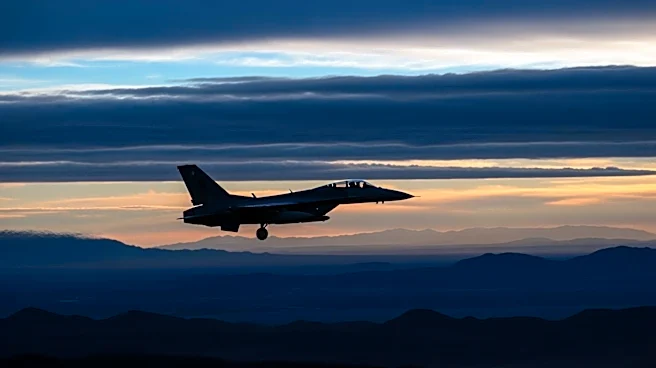
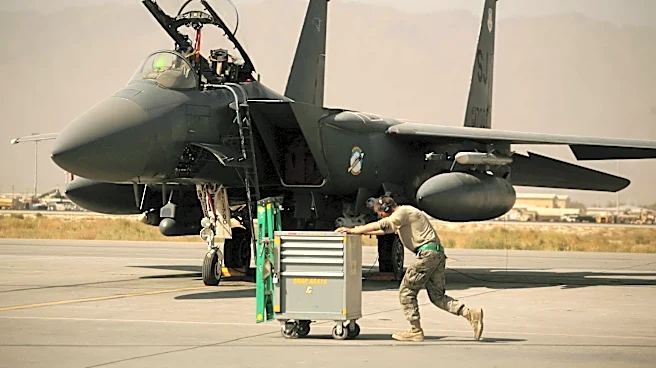
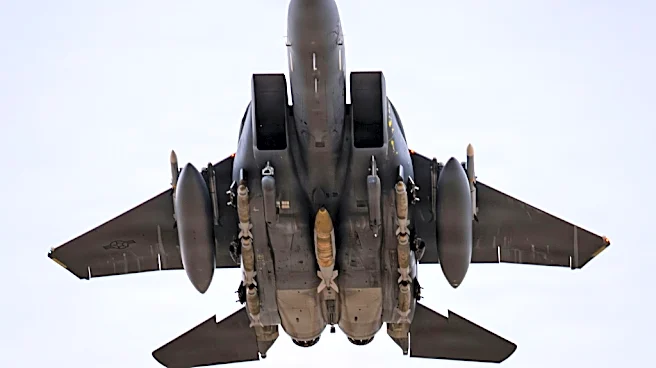
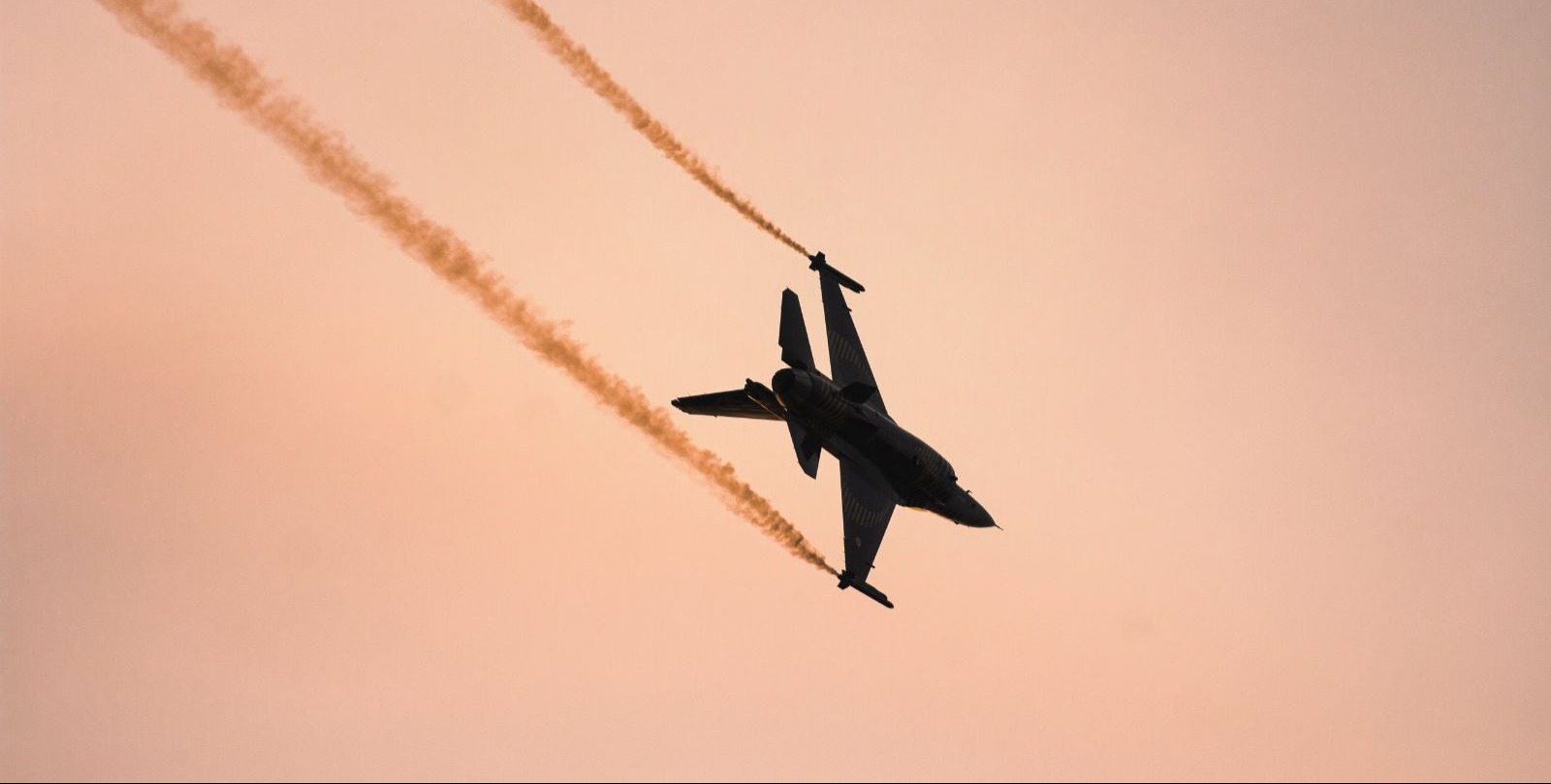
Two U.S. combat aircraft, an F-15E Strike Eagle and an A-10 Warthog, were shot down by Iranian forces, marking a significant escalation in the ongoing conflict between the U.S. and Iran. While one airman was rescued, the search for the second pilot continues.
This incident highlights the ongoing risks faced by U.S. and Israeli aircraft over Iran, despite claims by President Trump and Defense Secretary Pete Hegseth of U.S. air superiority. The conflict, which began with U.S. and Israeli attacks on February 28, has resulted in significant casualties and has sparked an energy crisis. Iran has refused to meet with U.S. officials for ceasefire talks, and the conflict shows no signs of abating.
Why It's Important?
The downing of U.S. aircraft by Iranian forces represents a critical juncture in the U.S.-Iran conflict, with potential implications for international relations and global security. The incident underscores the vulnerability of U.S. military operations in the region and raises questions about the effectiveness of U.S. military strategy. The conflict has already resulted in significant casualties and has disrupted global oil markets, with crude prices rising sharply. The ongoing hostilities threaten to further destabilize the Middle East and could lead to broader international involvement if not resolved. The situation also poses a challenge for the Trump administration, which faces low public support for the conflict.
What's Next?
The search for the missing U.S. pilot continues, with Iranian forces actively combing the area where the aircraft went down. The U.S. administration is closely monitoring the situation, with President Trump receiving regular updates. Diplomatic efforts to mediate a ceasefire have stalled, with Iran refusing to engage in talks. The conflict is likely to continue, with potential for further military engagements and retaliatory actions. The international community may increase pressure on both sides to de-escalate the situation, but the path to resolution remains uncertain.
Beyond the Headlines
The conflict between the U.S. and Iran has broader implications for regional stability and international relations. The downing of U.S. aircraft could embolden other adversaries and lead to increased military engagements in the region. The situation also highlights the challenges of modern warfare, where technological superiority does not always guarantee success. The conflict has strained U.S. relations with its allies in the region, who are wary of being drawn into a broader war. The economic impact of the conflict, particularly on global oil markets, could have long-term consequences for the global economy.