





What's Happening?
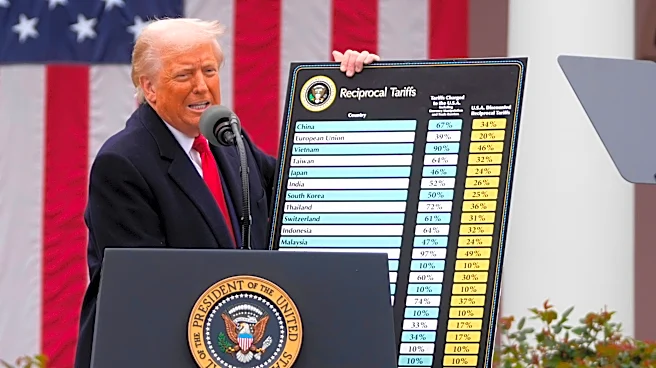
President Trump has announced a proposal to impose 100% tariffs on generic pharmaceuticals starting in 2028, with plans to increase the tariffs to 200% thereafter. The initiative aims to encourage the reshoring of generic drug production to the United
States. This move is part of a broader strategy to reduce dependency on foreign pharmaceutical imports, particularly from countries like India, which currently supplies nearly half of the generic medicines consumed in the U.S. The proposal is expected to have significant implications for the pharmaceutical industry, potentially affecting drug prices and availability.
Why It's Important?
The proposed tariffs could have far-reaching effects on the U.S. healthcare system and pharmaceutical industry. By incentivizing domestic production, the initiative seeks to bolster the U.S. economy and create jobs. However, it may also lead to increased drug prices for consumers if domestic production costs are higher than those of imported generics. The move could strain trade relations with countries like India, which are major suppliers of generic drugs. Additionally, the proposal underscores the ongoing geopolitical tensions and the U.S. government's focus on securing supply chains for critical goods.
What's Next?
The proposal is likely to face scrutiny and debate from various stakeholders, including pharmaceutical companies, healthcare providers, and policymakers. Industry groups may lobby against the tariffs, citing potential disruptions to drug supply and increased costs. The U.S. government will need to consider the economic and diplomatic implications of the tariffs, as well as the feasibility of rapidly scaling up domestic production. Further discussions and negotiations are expected as the proposal progresses through the legislative process.