
What's Happening?
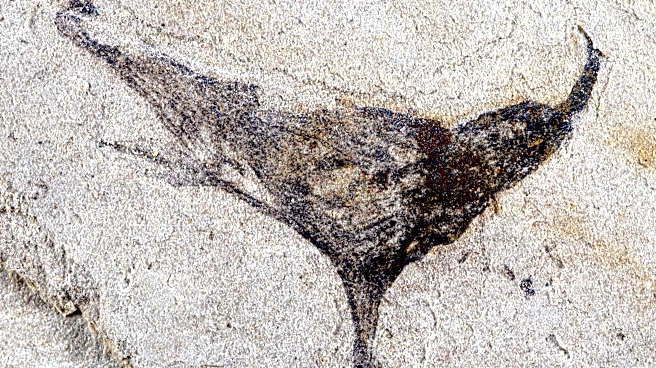
A team of researchers from Yunnan University and Oxford University has uncovered new fossil deposits in China that suggest complex animal groups existed before the Cambrian period. These fossils, found
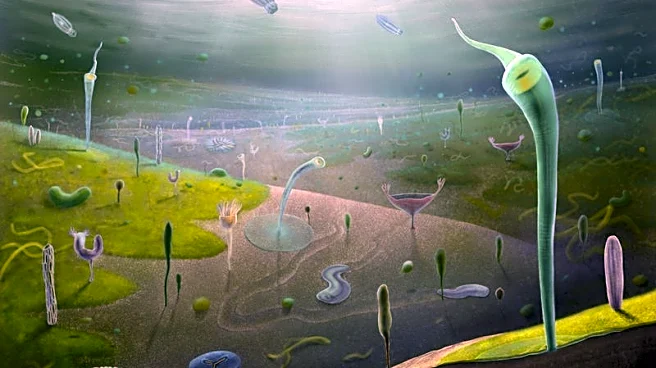
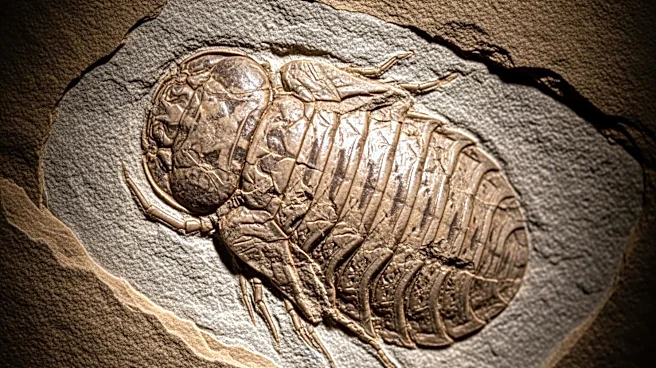
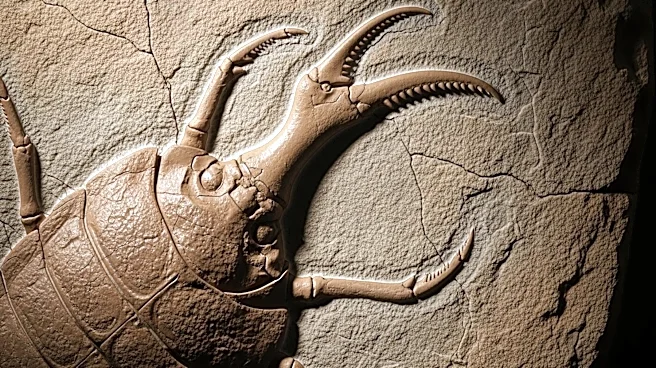
near Fuxian Lake, include over 700 species and are part of the Jiangchuan Biota. The fossils date back to the Ediacaran period, just before the Cambrian explosion, and include both familiar Cambrian species and enigmatic Ediacaran organisms. The discovery challenges the notion that a mass extinction event cleared the way for the Cambrian explosion, suggesting instead a gradual transition between the two periods.
Why It's Important?
This discovery provides new insights into the evolution of complex life on Earth. The presence of Cambrian-like species alongside Ediacaran organisms suggests that the diversification of animal life may have begun earlier than previously thought. Understanding this transition is crucial for reconstructing the history of life and the environmental conditions that facilitated the rise of complex organisms. The findings could lead to a reevaluation of evolutionary timelines and the factors that drove the Cambrian explosion. This research also highlights the importance of fossil records in uncovering the mysteries of Earth's biological past.