




What's Happening?
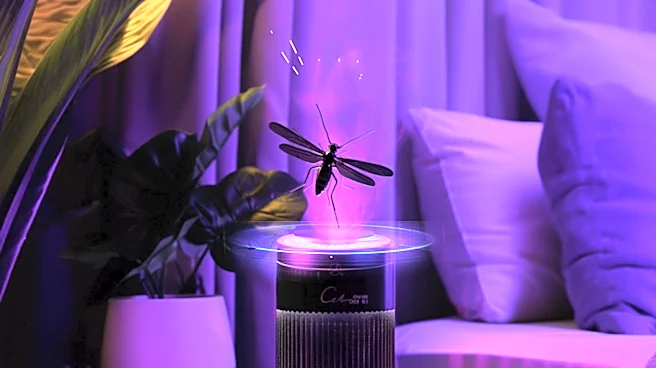
Approximately 600,000 mosquitoes are being released in Washington DC this summer as part of an effort to control local mosquito populations. These mosquitoes are male and infected with the Wolbachia bacteria, which prevents eggs from hatching after mating.
Bee Safe Mosquito Control is pioneering this pest control method for residents, a practice previously limited to government and research entities. The initiative is gaining traction, with Alphabet seeking approval to release millions of Wolbachia-infected mosquitoes in California and Florida. This approach aims to mitigate the spread of mosquito-borne diseases, which are becoming more prevalent due to climate change.
Why It's Important?
The release of Wolbachia-infected mosquitoes represents an innovative approach to pest control, potentially reducing the incidence of mosquito-borne diseases like Zika and dengue fever. As climate change creates more favorable conditions for mosquito proliferation, such methods could become crucial in public health strategies. This initiative could lead to a reduction in the use of chemical pesticides, promoting a more environmentally friendly approach to pest management. The success of this program could influence pest control policies and practices across the U.S., encouraging the adoption of similar biological control methods.
What's Next?
If successful, the program could expand to other regions facing similar mosquito-related challenges. Monitoring and evaluation of the program's impact on mosquito populations and disease transmission rates will be essential. Public health agencies may consider integrating this method into broader mosquito control strategies. Further research could explore the long-term ecological effects of releasing Wolbachia-infected mosquitoes and the potential for resistance development. Public acceptance and understanding of this method will be crucial for its continued implementation and success.