






What's Happening?
The U.S. Central Command (CENTCOM) and the United Arab Emirates (UAE) have agreed to form a bilateral task force aimed at accelerating the application of artificial intelligence (AI) in military operations. Announced on July 28, 2026, the initiative,
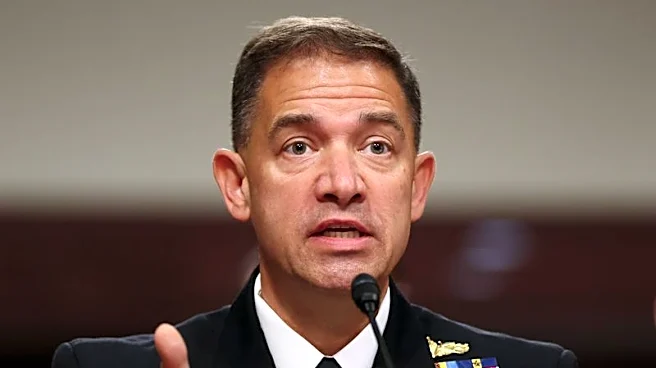
named Task Force Talon Synapse, will be based in Abu Dhabi and will include approximately 20 American and Emirati personnel specializing in AI, data, and cybersecurity. The task force will focus on integrating AI into intelligence support and critical infrastructure protection, as well as monitoring the regional security environment. This collaboration follows discussions between CENTCOM Commander Adm. Brad Cooper and UAE National Security Advisor Sheikh Tahnoon bin Zayed Al Nahyan, highlighting a shared commitment to advancing AI technologies in defense.
Why It's Important?
The establishment of Task Force Talon Synapse marks a significant step in U.S.-UAE defense cooperation, particularly in the realm of emerging technologies like AI. This initiative is crucial as it aims to enhance the military capabilities of both nations by leveraging AI for improved intelligence and infrastructure security. The collaboration could lead to faster deployment of AI advancements in military operations, potentially setting a precedent for similar partnerships in the region. For the U.S., this task force represents a strategic move to strengthen alliances in the Middle East, ensuring that both countries remain at the forefront of technological innovation in defense.
What's Next?
The task force is expected to formally launch in the coming weeks, with ongoing preparations involving meetings between U.S. officials, AI industry leaders, and Emirati defense officials. As the task force becomes operational, it will likely focus on developing and testing AI applications that can be rapidly integrated into military and security missions. The success of this initiative could lead to expanded cooperation in other technological areas and potentially influence other regional partners to pursue similar collaborations with the U.S.