





What's Happening?
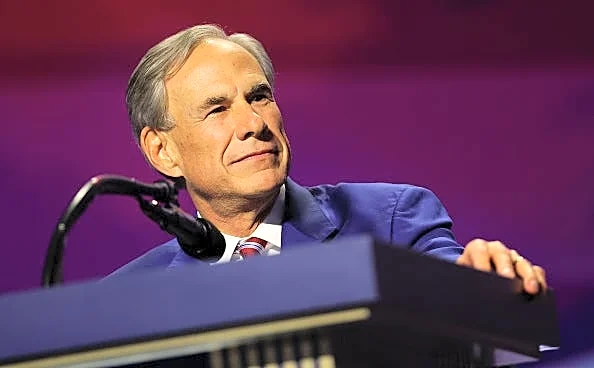
Governor Greg Abbott has ordered a halt on all permits from the Texas Commission on Environmental Quality for data centers. This pause will remain in effect until an audit is completed to assess the impact of data centers on the state's power grid. The
decision comes amidst growing concerns from local residents in areas like Hill County, who report significantly increased electricity bills. Residents, such as Linda Pauley, whose 91-year-old mother's electric bill rose from $424 to $477 in one month, attribute these high costs to the presence of data centers and windmills. Some residents believe the governor's action is belated, as several data centers are already under construction. There is also skepticism among some residents, like Jan Barnes, who suggest the halt might be a temporary political move, potentially to be reversed after the upcoming election.
Why It's Important?
Governor Abbott's decision to halt data center permits underscores a critical tension between economic development and infrastructure strain, particularly concerning the Texas power grid. The rapid expansion of data centers, which are energy-intensive operations, has raised questions about their sustainability and impact on residential electricity costs. This move could signal a shift in state policy towards more stringent environmental and energy impact assessments for large industrial consumers. For residents, the rising electricity bills are a significant financial burden, highlighting the direct economic consequences of energy demands from new industries. The skepticism expressed by some residents about the long-term commitment to this pause also reflects a broader public distrust in political actions perceived as opportunistic, especially in an election year. This situation brings to the forefront the need for a balanced approach to industrial growth that considers both economic benefits and the welfare of existing communities.
What's Next?
The immediate next step is the audit by the Texas Commission on Environmental Quality to evaluate the impact of data centers on the state's power grid. The duration and findings of this audit will be crucial in determining the future of data center development in Texas. Depending on the audit's conclusions, Governor Abbott may either lift the permit halt, impose new regulations, or continue the pause indefinitely. Local residents and advocacy groups will likely monitor the audit process closely and continue to voice their concerns regarding electricity costs and grid stability. The political implications, especially with an upcoming election, mean that the governor's office will be under pressure to demonstrate a clear and effective strategy to address both energy demands and consumer costs. This situation could also prompt a broader discussion on energy policy and infrastructure investment in Texas.
Beyond the Headlines
This situation in Texas reveals a complex interplay of technological advancement, environmental concerns, and socio-economic equity. The proliferation of data centers, while bringing technological infrastructure and potential job growth, also exacerbates existing pressures on energy grids, particularly in states with deregulated energy markets. The rising electricity bills for residents highlight a potential 'energy poverty' issue, where the costs of supporting high-tech industries are disproportionately borne by individual consumers. This scenario could lead to a re-evaluation of incentives offered to data center companies and a push for more transparent cost-benefit analyses that include social and environmental impacts. Furthermore, the public's skepticism about the governor's motives points to a deeper challenge in governance: maintaining public trust when policy decisions appear to align with political cycles rather than long-term public interest. This could set a precedent for how states manage the energy demands of emerging industries.