






What's Happening?
Peloton has removed its 'Varosha Ride' and a related 30-minute Halloween Ride led by instructor Bradley Rose from its on-demand library. The removal follows a request from the Hellenic American Leadership Council (HALC), which criticized Peloton for including
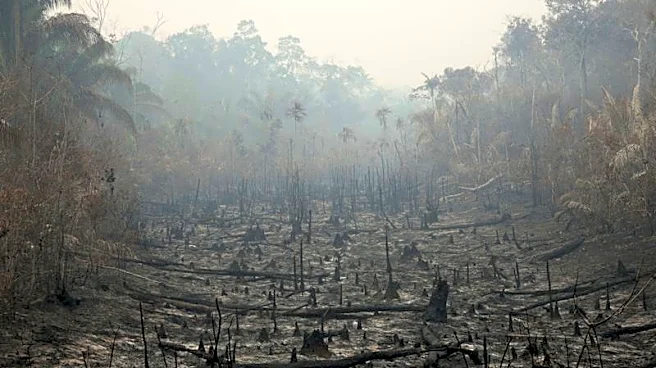
the virtual cycling experience set in Varosha, an uninhabited suburb of Famagusta in Cyprus, as part of its Halloween collection. HALC argued that Varosha is not a fictional ghost town but a real community whose residents were displaced during Turkey’s 1974 invasion, and its deserted streets serve as a reminder of injustice. The organization deemed the ride an inappropriate use of a place with such a sensitive history for holiday entertainment. Members who had completed these rides reported that their Halloween challenge counts subsequently dropped.
Why It's Important?
This incident highlights the increasing scrutiny companies face regarding their content choices and their potential impact on cultural sensitivities and historical narratives. For Peloton, a company with a global audience, the controversy underscores the importance of thorough content review processes to avoid inadvertently trivializing or misrepresenting sensitive geopolitical or historical contexts. The removal of the content, while addressing HALC's immediate concern, also affects user experience, as some members saw their challenge progress reset. This situation could prompt Peloton and similar platforms to re-evaluate their content creation guidelines, especially for themed or location-based experiences, to ensure they are respectful and do not cause offense to any community.
What's Next?
HALC has made three specific requests to Peloton: the immediate removal of the 'Varosha Ride,' a public apology to Varosha's displaced residents and their families, and a review of Peloton’s content standards. While the first request has been met, it remains to be seen whether Peloton will issue a public apology or commit to a formal review of its content standards. HALC has also launched an online petition to further pressure the company. The outcome of these additional requests will indicate Peloton's broader response to such criticisms and could set a precedent for how it handles similar situations in the future. The company's actions will be closely watched by both its user base and advocacy groups concerned with cultural representation.
Beyond the Headlines
The controversy surrounding the 'Varosha Ride' extends beyond a simple content removal; it touches upon the ethical responsibilities of global media and fitness platforms. The incident brings to light the potential for digital content to inadvertently engage with complex historical and political narratives, even when intended for entertainment. It also raises questions about the due diligence required when featuring real-world locations, particularly those with histories of conflict or displacement. This event could encourage a broader industry discussion on how companies can better vet content for cultural appropriateness and historical accuracy, ensuring that their offerings are inclusive and respectful of diverse global audiences and their experiences. The incident serves as a reminder that even seemingly innocuous content can carry significant implications.