





What's Happening?
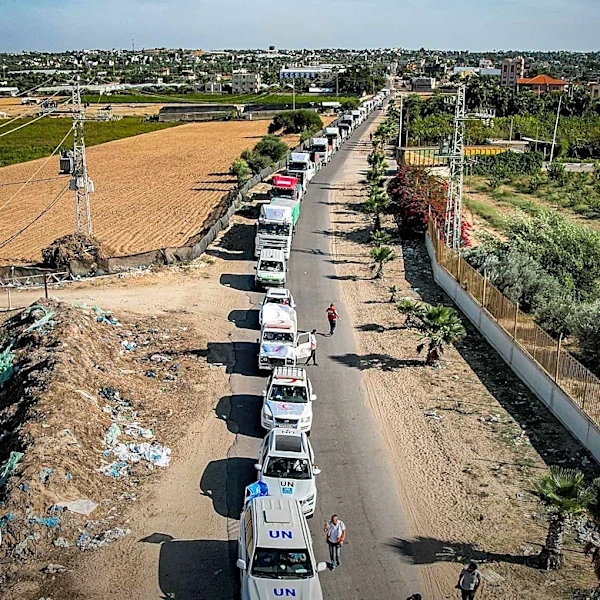
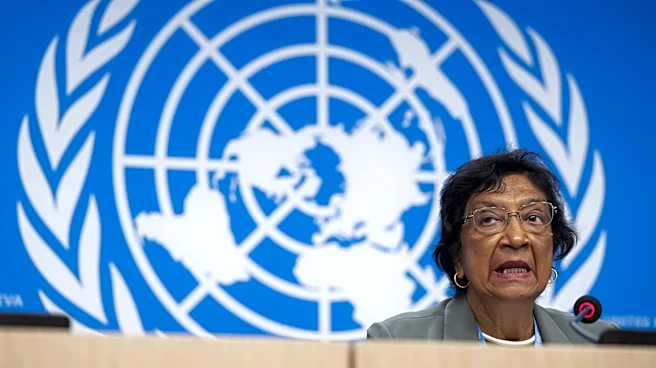
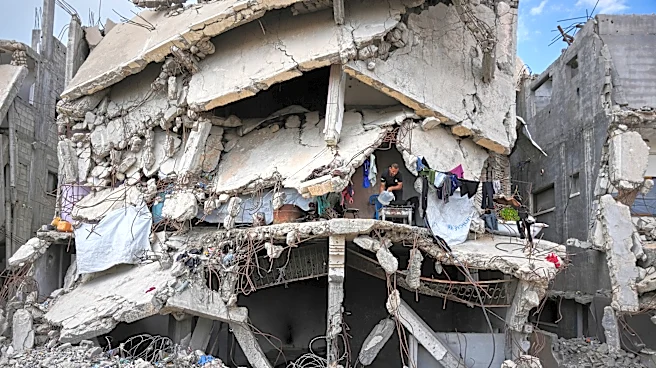
Mirjana Spoljaric, President of the International Committee of the Red Cross (ICRC), has indicated that earlier and increased pressure during negotiations for a Gaza ceasefire and hostage release agreement might have prevented additional deaths. In an interview,
Spoljaric reflected on the efforts to secure the release of Israeli hostages abducted by Hamas during the October 7, 2023, attack. She emphasized that prolonged captivity complicates negotiations, stating, 'the longer it takes, the more complicated it becomes.' Spoljaric clarified that visiting hostages is more complex than securing their release and asserted that the hostages 'should have come back unconditionally as of Day 1.' She also mentioned conducting confidential discussions with Prime Minister Benjamin Netanyahu and Hamas leader Ismail Haniyeh as part of the organization's efforts to facilitate an agreement. These remarks follow sustained criticism against the Red Cross for its perceived failure to gain access to Israeli hostages held by Hamas.
Why It's Important?
This statement from the ICRC President highlights the intricate and often frustrating challenges faced by humanitarian organizations in conflict zones, particularly concerning hostage situations. It underscores the critical role of timely diplomatic and political pressure in such crises, suggesting that delays can have fatal consequences. The criticism directed at the Red Cross, an organization traditionally seen as a neutral arbiter, reveals a growing public expectation for more immediate and impactful intervention in humanitarian crises. This situation could influence future perceptions of international humanitarian law and the effectiveness of organizations like the ICRC in navigating complex geopolitical conflicts. It also brings to light the difficult balance between maintaining neutrality and advocating for the immediate safety of victims, potentially leading to re-evaluations of operational strategies for humanitarian aid and hostage negotiation in future conflicts.
What's Next?
The ICRC's continued efforts will likely focus on advocating for adherence to international humanitarian law and seeking access to those affected by conflict, including remaining hostages. The organization may face ongoing scrutiny regarding its operational effectiveness and its ability to influence parties in conflict. This situation could prompt further discussions among international bodies and governments about the mechanisms for humanitarian intervention and hostage negotiation. Stakeholders, including families of hostages and human rights groups, will likely continue to press for greater transparency and more assertive action from humanitarian organizations. The ICRC may also review its internal protocols for engaging with conflicting parties and managing public expectations during highly sensitive situations, especially concerning the balance between confidential diplomacy and public advocacy.
Beyond the Headlines
The controversy surrounding the ICRC's role in the Gaza hostage crisis extends beyond immediate operational challenges, touching upon fundamental principles of international humanitarian law and the evolving nature of modern conflict. The criticism highlights a tension between the ICRC's traditional approach of neutral, confidential diplomacy and the public's demand for visible, immediate results, especially in an age of instant information. This situation could lead to a re-evaluation of how humanitarian organizations communicate their efforts and limitations to the public. Furthermore, the emphasis on 'earlier pressure' suggests a broader implication for international diplomacy, indicating that proactive engagement and robust political will are crucial in preventing humanitarian catastrophes. The experience also underscores the psychological toll on hostages and their families, and the ethical dilemmas faced by organizations trying to operate within the constraints of conflict while upholding their mandate to protect human dignity.