







What's Happening?
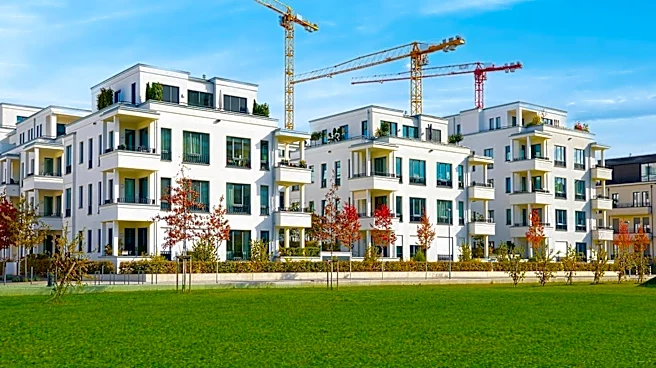
A seven-story affordable housing project located at 1140-1159 N. Vermont Ave. in East Hollywood has rapidly topped out, with 290 prefabricated apartments being stacked into place. This modular construction method involves individual apartment units being built
off-site and then transported to the construction location. The manufacturer for this project is Guerdon LLC, based in Boise, Idaho, though neither Guerdon nor the project developer, Thrive Living, responded to requests for comment. This construction approach has been increasingly utilized in recent affordable housing developments, including residential units planned for the New Presbyterian Church on Virgil Avenue. The process involves hauling completed units to the site on big-rig trucks, stacking them, and then bolting them together, sealing them, connecting utilities, and integrating stairs and elevators. The project has progressed quickly, with cranes lifting the units into position just months after construction began.
Why It's Important?
The rapid construction of this East Hollywood apartment building highlights the growing adoption and potential benefits of modular construction in addressing housing needs. This method offers significant advantages over traditional building techniques, primarily in terms of speed and cost predictability. According to the Modular Building Institute, modular buildings can rise 30%-50% faster because apartment units can be manufactured concurrently with site excavation and grading. This parallel process reduces overall project timelines. Furthermore, modular construction tends to have more predictable costs due to fewer mid-project changes and weather-related delays, which can often inflate budgets in conventional builds. The method also contributes to a safer construction environment by reducing on-site injuries. For urban areas like Los Angeles, which face persistent housing shortages, the efficiency and cost-effectiveness of prefabricated construction could be crucial in accelerating the delivery of much-needed affordable housing units.
What's Next?
While there is no public timeline for the opening of this specific apartment building, the completion of the structural phase suggests that the project will move into the final stages of interior finishing and utility connections. The success and speed of this project could further encourage developers and city planners to consider modular construction for future affordable housing initiatives across Los Angeles and other U.S. cities. As more projects adopt this method, there may be increased investment in prefabricated housing manufacturing facilities and a greater demand for skilled labor in this specialized construction sector. The continued use of modular construction could also lead to policy discussions around streamlining permitting processes for such projects, potentially accelerating the overall pace of housing development in areas with high demand.
Beyond the Headlines
The increasing prevalence of modular construction, as demonstrated by the East Hollywood project, signifies a broader shift in the construction industry towards more industrialized and efficient building practices. This approach not only addresses immediate housing demands but also has deeper implications for sustainability and labor. Off-site construction can lead to less material waste, as manufacturing in a controlled environment allows for greater precision and recycling of scraps. It also offers potential for higher quality control, as units are built in factory settings. From a labor perspective, modular construction can provide more stable, factory-based jobs, potentially attracting a new generation of workers to the construction industry who might prefer a controlled environment over traditional outdoor job sites. This evolution could reshape the traditional construction workforce and supply chains, fostering innovation in building materials and techniques.