





What's Happening?
A recent study on U.S. comfort foods indicates that nearly three-quarters of these popular choices meet the criteria for being hyperpalatable, meaning they are highly appealing due to specific combinations of fat, sugar, and salt. The study, which analyzed
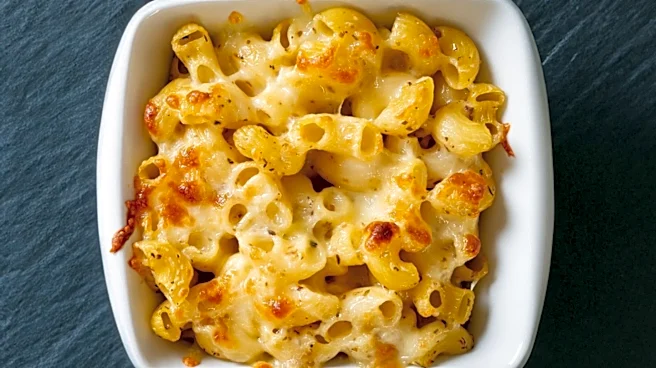
300 distinct foods grouped into 132 broader categories, found that the nutritional profile of these foods leaned heavily towards processed options. Chips, ice cream, pizza, chocolate, and cookies topped the list of preferred comfort foods. The average serving contained 223 calories, with 39% from fat and 18% from sugar, and most were low in fiber. Ultra-processing was also common, with an average of 57% of calories coming from Nova Group 4 sources, and 43% of foods qualifying as fully ultra-processed.
Why It's Important?
This finding is significant for public health in the U.S., as comfort eating is often linked to negative emotional states and stress. The prevalence of hyperpalatable and ultra-processed foods in the American diet contributes to concerns about obesity, type II diabetes, cardiovascular disease, and other adverse health outcomes. The study highlights that despite demographic differences, Americans largely converge on these familiar, less nutritious options. This widespread consumption of energy-dense, nutrient-poor foods can exacerbate health crises and place a greater burden on the healthcare system. Understanding the nutritional characteristics of comfort foods is crucial for developing effective public health strategies aimed at promoting healthier eating habits and mitigating the long-term health consequences associated with these dietary patterns.
What's Next?
The study suggests opportunities to guide healthier comfort food choices, particularly in contexts of stress or negative affect. Future research will likely focus on exploring weighted analyses, more nuanced measures of intake, and sociocultural factors influencing comfort food preferences. This could lead to the development of tailored interventions and public health campaigns aimed at encouraging more nutritious alternatives. Policymakers and food manufacturers may face increased pressure to address the hyperpalatability and ultra-processing of widely consumed foods. The findings also underscore the need for continued investigation into the health implications of comfort eating to inform comprehensive public health strategies.
Beyond the Headlines
The dominance of hyperpalatable and ultra-processed foods in the U.S. comfort food landscape reflects deeper issues within the American food system and consumer culture. The convenience, affordability, and aggressive marketing of these products contribute to their widespread appeal, often overshadowing healthier options. This trend raises ethical questions about food industry practices and their impact on public health. Furthermore, the psychological aspect of comfort eating, where food is used to cope with emotional states, points to a need for broader societal support systems that address stress and mental well-being. Shifting away from these ingrained dietary patterns will require a multi-faceted approach involving education, policy changes, and a re-evaluation of the cultural role of food.