







What's Happening?
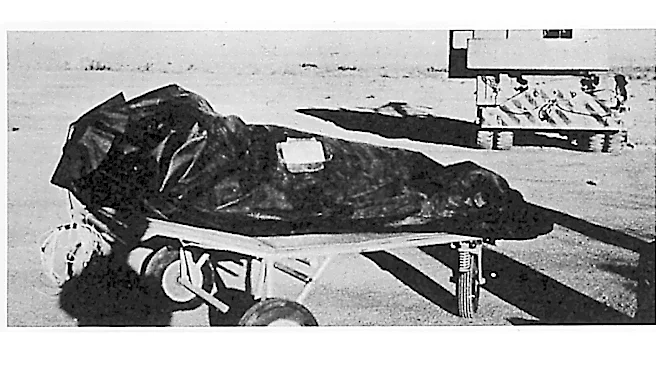
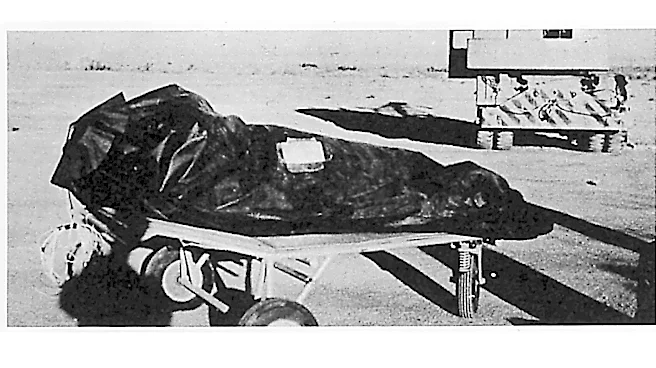
The Pentagon has released a significant collection of declassified Unidentified Aerial Phenomena (UAP) files, marking a move towards greater transparency regarding military sightings. The release, which occurred on May 8, 2026, includes nearly 30 videos
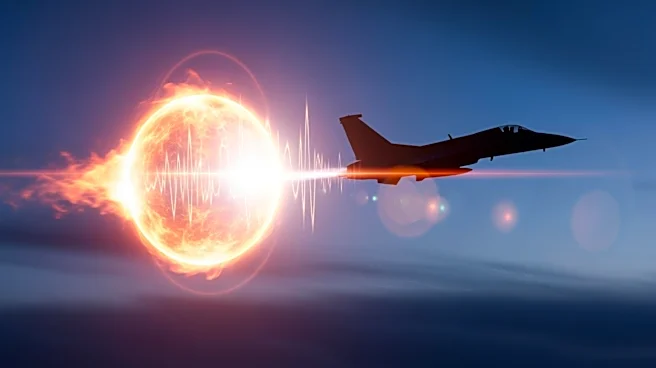
and various investigative reports. Among the footage is a five-second clip from U.S. Central Command showing a 'misshapen and uneven ball of white light' over Syria, recorded in October 2024. Another video from U.S. Indo-Pacific Command shows a nine-second infrared capture of an unidentified object. The Pentagon has invited private-sector analysis to help interpret these files, emphasizing that the descriptions should not be seen as conclusive evidence of extraterrestrial activity.
Why It's Important?
This release is significant as it represents a shift in the U.S. military's approach to UAPs, moving from secrecy to a more open stance. By inviting public and private analysis, the Pentagon is acknowledging the complexity of these phenomena and the potential for broader scientific engagement. This transparency could lead to new insights into UAPs, impacting public perception and policy regarding aerial phenomena. The move also comes amid heightened military activity and geopolitical tensions, suggesting a strategic element to the timing of the release.
What's Next?
The Pentagon plans to continue releasing UAP files on a rolling basis, potentially leading to further public and scientific scrutiny. This ongoing transparency may prompt responses from international governments and scientific communities, possibly leading to collaborative efforts in UAP research. The public and private sectors are likely to engage more deeply with the data, which could influence future policy decisions regarding aerial phenomena and national security.
Beyond the Headlines
The release of these files raises questions about the balance between national security and public transparency. It also highlights the evolving role of technology in military operations and the potential for advanced drone technology to explain some UAP sightings. The invitation for public analysis reflects a broader trend towards open data and citizen science, which could democratize research and lead to new discoveries.