


What's Happening?
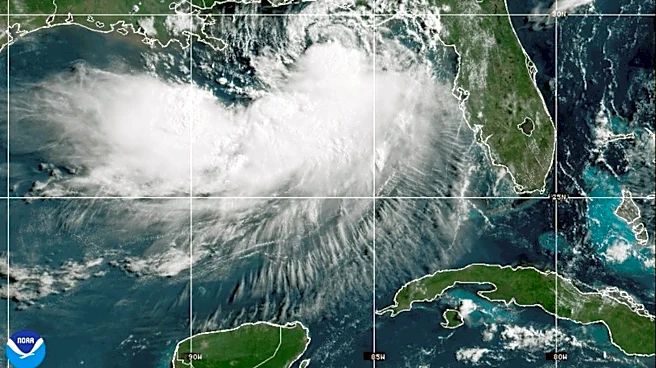
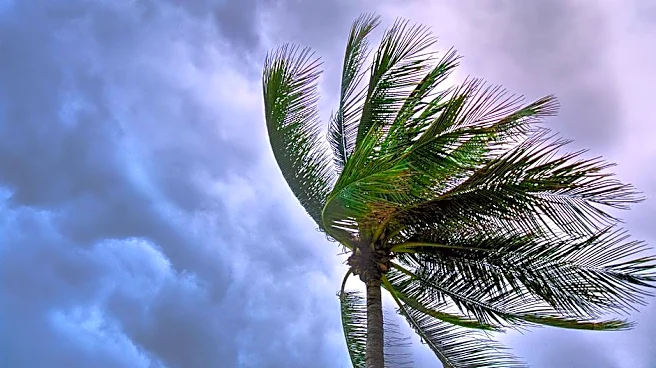
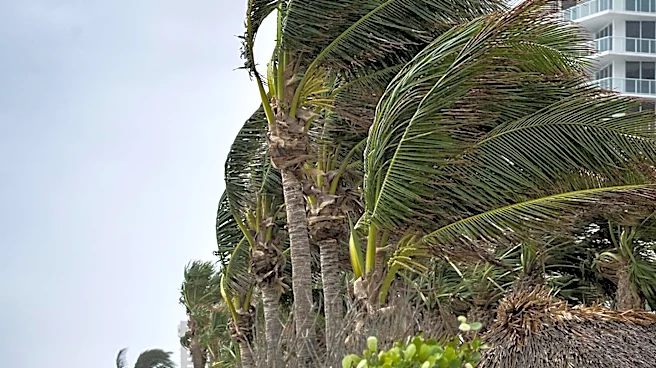
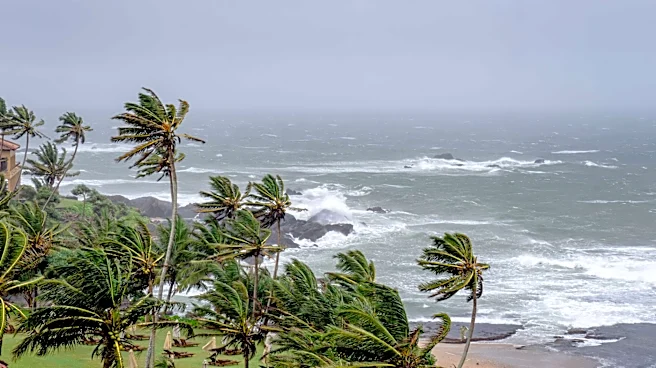
Tropical Storm Bertha, which strengthened in the Gulf of Mexico, is expected to weaken as it approaches the U.S. Gulf Coast. The storm is forecast to bring heavy rain and potential flooding from the Florida Panhandle to Louisiana. A tropical storm warning
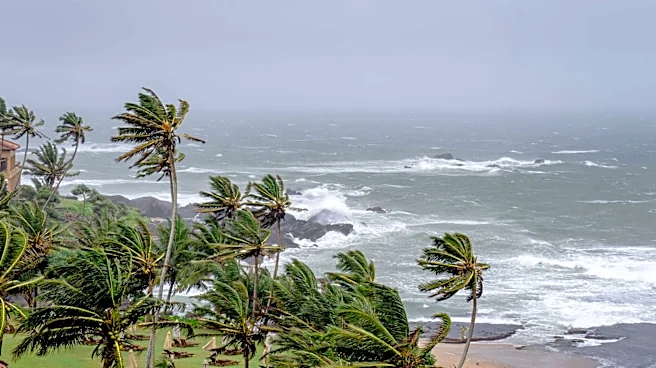
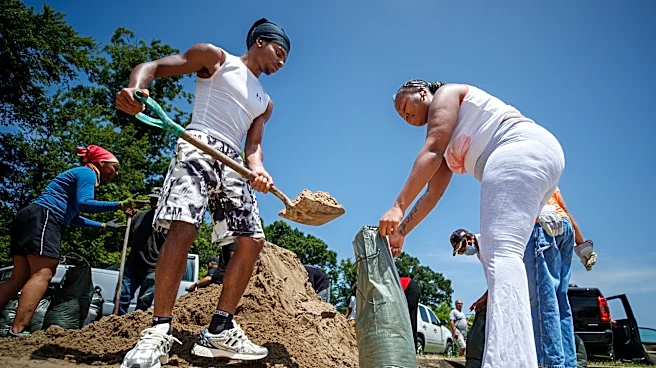
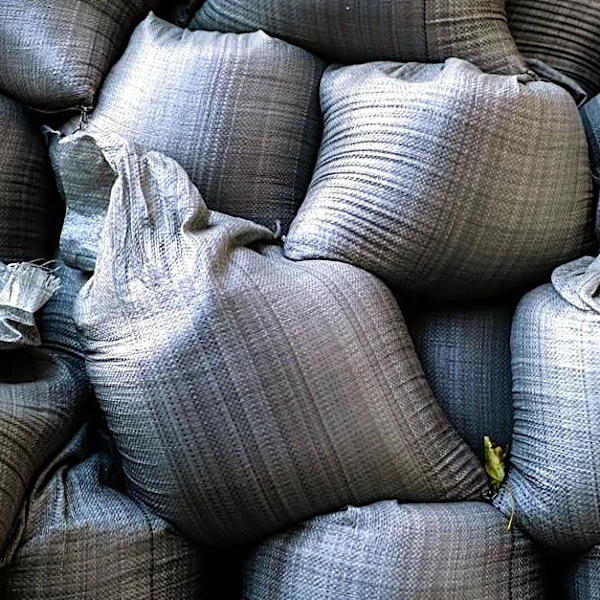
is in effect for these areas, with New Orleans also under alert. Bertha is moving west with maximum sustained winds near 60 mph and is expected to make landfall in a sparsely populated area of Louisiana. Authorities in Mississippi, Louisiana, and Florida have opened sites for sandbag distribution, and red flag warnings have been posted on beaches to warn of rip tides. The storm is anticipated to weaken further as it moves inland, with forecasts predicting rain totals of 2 to 4 inches, potentially causing flash flooding in urban areas.
Why It's Important?
The approach of Tropical Storm Bertha underscores the ongoing threat of severe weather to the Gulf Coast, a region frequently impacted by tropical storms and hurricanes. The storm's potential to cause flooding and disrupt communities highlights the importance of preparedness and effective emergency response. The distribution of sandbags and the issuance of warnings are critical measures to mitigate the storm's impact. Bertha's arrival also serves as a reminder of the broader challenges posed by climate change, which is linked to more frequent and intense weather events. The storm's impact on infrastructure and communities will be closely monitored, with authorities ready to respond to any emergencies that arise.
What's Next?
As Tropical Storm Bertha moves inland, it is expected to weaken, reducing the immediate threat to coastal areas. However, the potential for flooding and wind damage remains a concern, particularly in low-lying regions. Emergency services and local authorities will continue to monitor the storm's progress and provide updates to residents. The focus will likely shift to recovery and cleanup efforts once the storm passes, with assessments of any damage to infrastructure and communities. The experience of Bertha will inform future preparedness and response strategies for similar weather events.