
What's Happening?
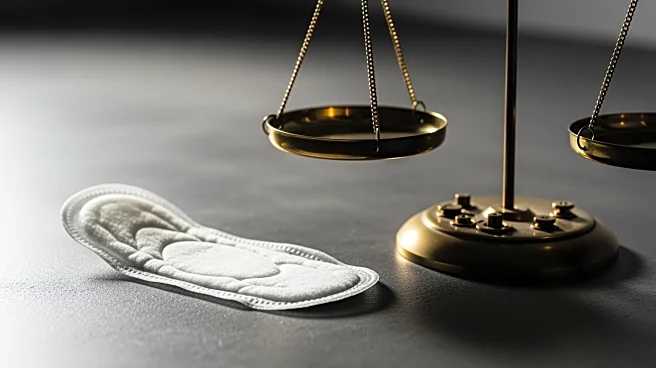
According to a 2025 UNICEF report, Pakistan continues to impose a 40% tax on menstrual products, treating them as luxury items. This policy persists despite advocacy efforts, including a petition with over 10,000 signatures and a lawsuit seeking to reclassify
these products as essential goods. The lack of a national policy on menstrual health and hygiene exacerbates the issue, impacting affordability and access. In contrast, India abolished its menstrual tax in 2018, making such products tax-exempt to improve accessibility and support girls' education.
Why It's Important?
The high tax on menstrual products in Pakistan highlights significant gender and health policy challenges. This tax burdens women and girls, particularly those from low-income backgrounds, limiting their access to essential hygiene products. The situation underscores broader issues of gender inequality and inadequate health policies in Pakistan. Comparatively, India's tax exemption on menstrual products demonstrates a progressive approach to improving women's health and education. The ongoing advocacy in Pakistan reflects a growing demand for policy reform to address these disparities and promote gender equity.