





What's Happening?
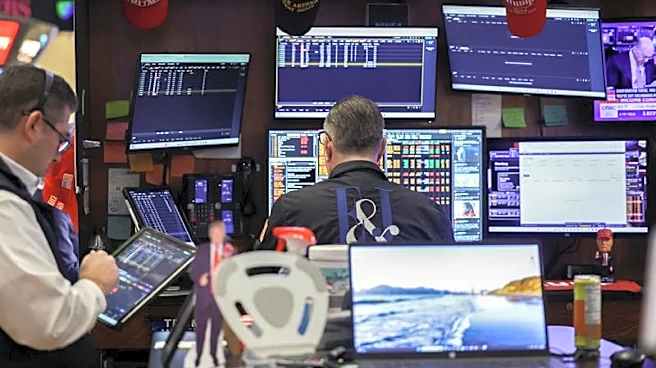
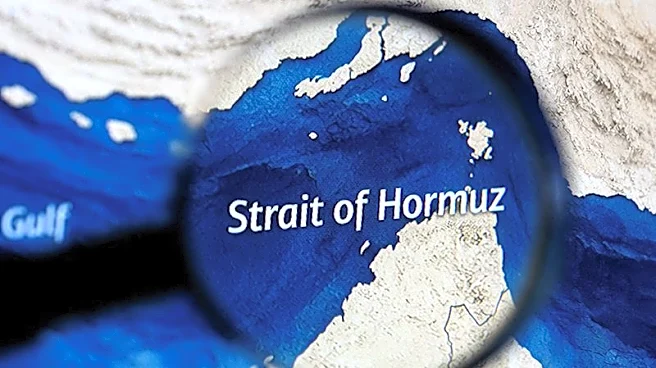
A two-week ceasefire between the U.S. and Iran has led to a relief rally across global markets. President Trump announced the suspension of planned attacks on Iranian infrastructure, contingent upon Iran's agreement to open the Strait of Hormuz. This
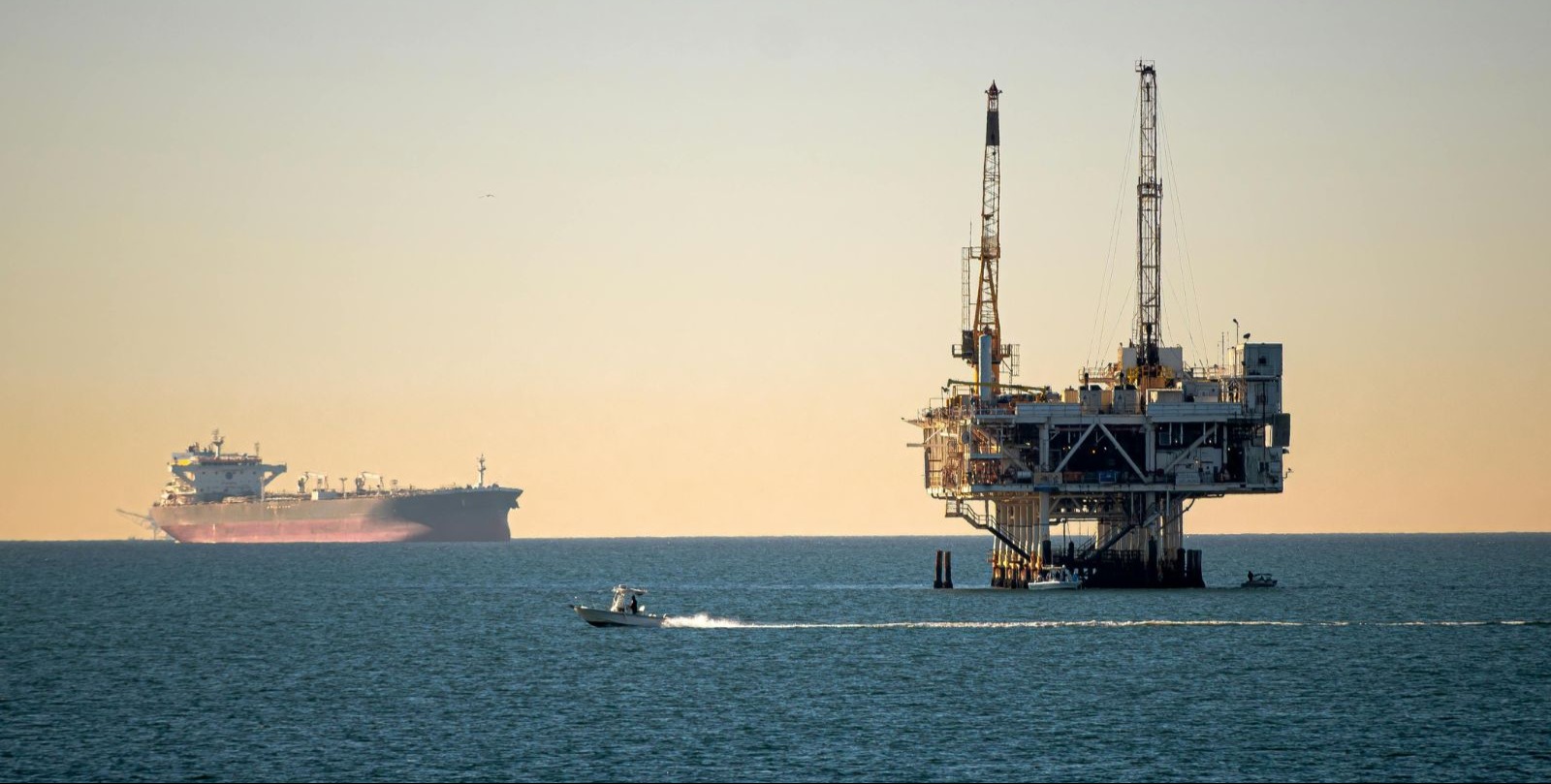
development has caused stocks to surge and oil prices to fall below $100 per barrel. Investors have flocked to safe havens such as gold and U.S. Treasurys, with yields on 10-year and 20-year debt decreasing. The ceasefire is seen as a potential turning point in a conflict that has unsettled markets for weeks, with significant gains observed in Asian and European stock indices.
Why It's Important?
The ceasefire between the U.S. and Iran has significant implications for global financial markets. The reduction in geopolitical tensions has led to increased investor confidence, resulting in a surge in stock prices and a decline in oil prices. This shift may alleviate some of the economic pressures caused by the conflict, providing a temporary boost to global markets. However, the persistent demand for safe havens like gold and Treasurys indicates ongoing caution among investors, reflecting uncertainty about the long-term stability of the situation.
What's Next?
The ceasefire agreement is temporary, and its continuation depends on Iran's compliance with the terms set by President Trump. If Iran fails to meet the conditions, the conflict could resume, potentially reversing the current market trends. Investors and policymakers will closely monitor developments in the region, as any escalation could have significant repercussions for global economic stability. The situation remains fluid, and stakeholders are likely to remain cautious until a more permanent resolution is achieved.