

What's Happening?
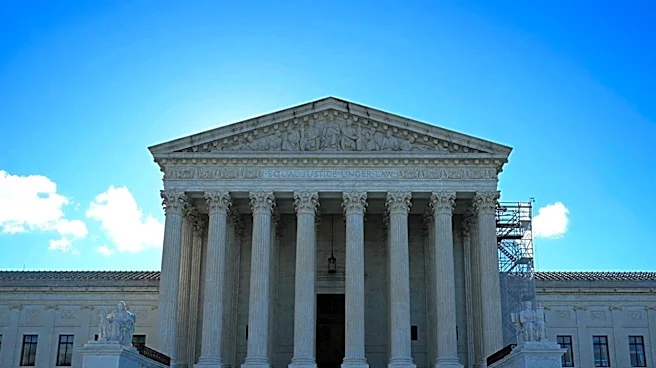
The U.S. Department of Justice (DOJ) is encountering growing judicial scrutiny and pushback regarding its subpoena practices, with federal judges increasingly questioning the stated purposes behind these legal demands. Several high-profile cases in 2026
illustrate this trend. For instance, the DOJ withdrew subpoenas targeting New York Times journalists' phone records after a federal judge criticized the action, citing First Amendment concerns and 'slipshod legal work.' Similarly, a U.S. District Court quashed two criminal subpoenas investigating Federal Reserve Chair Jerome H. Powell, finding an 'improper purpose' to harass and pressure him. Furthermore, in cases related to gender-affirming care, federal courts have quashed administrative subpoenas issued to hospitals, determining that the DOJ failed to establish a legitimate investigative purpose and instead acted with an improper motive to end such treatments. These rulings indicate a shift from the historical presumption of validity for government subpoenas, prompting recipients to consider challenges when improper motives are suspected.
Why It's Important?
This increased judicial oversight of DOJ subpoena power carries significant implications for various sectors, including journalism, financial institutions, and healthcare. For journalists, the withdrawal of subpoenas and the Senate's request for a comprehensive accounting of such actions against media members underscore concerns about press freedom and potential chilling effects on reporting. In the financial realm, the quashing of subpoenas against the Federal Reserve Chair highlights the judiciary's role in safeguarding the independence of key economic institutions from perceived political pressure. For healthcare providers, particularly those offering gender-affirming care, these court decisions offer a crucial defense against what some view as politically motivated investigations, potentially influencing the availability and provision of medical services. The shift in judicial posture signals a more rigorous examination of government actions, potentially leading to greater protections for individuals and organizations against overreaching investigative tactics and ensuring that subpoena power is exercised for legitimate legal purposes rather than for political or retaliatory ends.
What's Next?
The ongoing legal challenges and judicial rulings are likely to shape future DOJ subpoena practices and the legal framework surrounding them. The government has appealed some of these decisions, indicating that the legal landscape remains unsettled. Organizations and individuals receiving federal subpoenas are now advised to immediately preserve relevant information, identify deadlines and scope, and consult legal counsel to assess whether a motion to quash or modify the subpoena is warranted. This proactive approach is crucial given the current climate where the presumption of validity for government subpoenas is being increasingly challenged. Further appeals and new cases will continue to define the boundaries of prosecutorial power and judicial oversight, potentially leading to clearer guidelines or legislative actions regarding the issuance and enforcement of subpoenas, especially in sensitive areas like press freedom and healthcare.
Beyond the Headlines
Beyond the immediate legal outcomes, these cases touch upon fundamental ethical and constitutional principles. The scrutiny of subpoenas targeting journalists raises questions about the balance between national security interests and the public's right to information, as well as the protection of confidential sources. The Federal Reserve case highlights concerns about the politicization of independent government agencies and the potential for executive overreach. In the context of gender-affirming care, the judicial interventions underscore the ethical debate surrounding medical autonomy, patient privacy, and the role of the government in healthcare decisions. These developments could trigger long-term shifts in how government agencies conduct investigations, fostering a more cautious and legally sound approach to subpoena issuance. They also empower potential subpoena recipients to assert their rights more vigorously, potentially leading to a re-evaluation of the 'presumption of validity' that has historically favored government actions, thereby strengthening civil liberties and institutional independence.