








What's Happening?
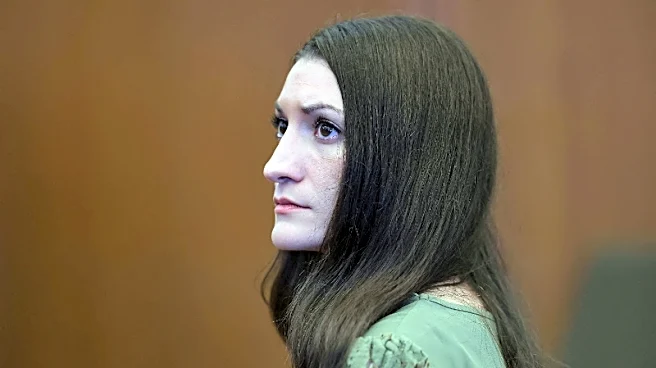
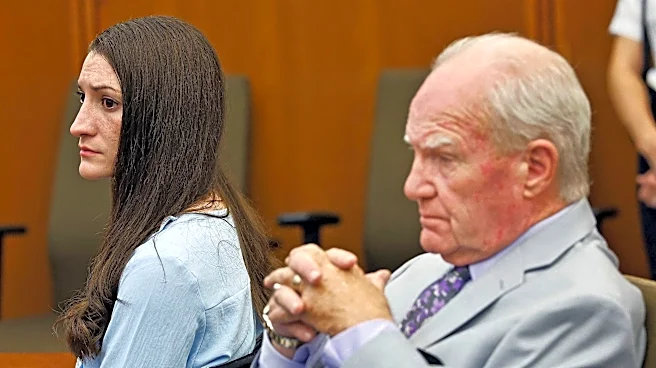
The trial of Lindsay Clancy, accused of fatally strangling her three children, ended in a mistrial due to a holdout juror, underscoring the enduring public skepticism surrounding the 'insanity defense.' Clancy admitted to the killings and attempting suicide,
but her defense argued she was not criminally responsible due to postpartum psychosis. While 11 jurors were reportedly leaning towards a verdict of not guilty by reason of insanity, one juror remained unconvinced, struggling to reconcile the horrific nature of the crime with a lack of punishment. Forensic psychologists and former prosecutors note that many people find it difficult to accept an insanity plea, often viewing it as a means to avoid accountability. The case has reignited discussions about the balance between mental illness and criminal responsibility, a debate that has shaped the legal landscape of the insanity defense since its formalization in 1843 and subsequent restrictions upheld by the U.S. Supreme Court in 2020.
Why It's Important?
This case is important because it highlights the deep-seated societal and legal challenges in applying the insanity defense, particularly in emotionally charged cases. The skepticism demonstrated by the holdout juror reflects a broader public sentiment that often prioritizes punishment for heinous crimes over considerations of mental health. This impacts public policy by influencing how states define and restrict the insanity defense, as seen in the post-Hinckley era where many states limited or abolished it. The trial also brings to the forefront the complexities of mental health, especially maternal mental health, and how it intersects with the criminal justice system. The differing opinions among expert psychiatrists during the trial further illustrate the scientific and legal ambiguities in assessing a defendant's mental state at the time of an offense, affecting how juries perceive and apply legal standards.
What's Next?
Prosecutors have not yet announced whether they will retry Lindsay Clancy. If a retrial occurs, it will involve a new jury, but the fundamental challenges associated with the insanity defense will persist. The defense attorney, Kevin Reddington, has expressed confidence in a potential retrial, citing the 11-1 jury split as an indication of strong support for the insanity plea. However, the continued public and juror skepticism means that convincing all 12 members of a new jury will remain a significant hurdle. The publicity surrounding this trial may lead to increased public awareness and understanding of mental illness, particularly postpartum psychosis, which could influence future jury pools. Nevertheless, the inherent difficulties in proving a lack of criminal responsibility and the societal inclination towards accountability will likely continue to make such cases contentious.
Beyond the Headlines
The Lindsay Clancy trial delves into the ethical and philosophical underpinnings of criminal justice: the concepts of free will, responsibility, and the purpose of punishment. Justice Elena Kagan's remarks in Kahler v. Kansas, acknowledging the controversial and evolving nature of views on mental illness and criminal culpability, resonate deeply with this case. The trial forces a societal introspection on how to balance the need for justice for victims with a compassionate understanding of severe mental illness. It also exposes the limitations of the legal system in addressing complex psychological conditions, especially when expert opinions diverge. The case could trigger broader conversations about reforming mental health support systems to prevent such tragedies and ensuring that the legal framework adequately reflects contemporary understanding of mental health, rather than relying on outdated perceptions of the insanity defense as a 'get-out-of-jail-free card.'