



What's Happening?
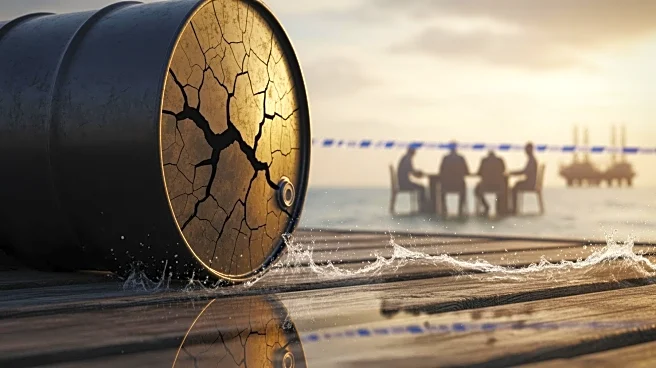
President Trump has urged international allies to take a more active role in securing the Strait of Hormuz, following a series of attacks on oil tankers that have significantly disrupted global oil flows. The Al-Salmi, a Kuwaiti crude tanker, was attacked
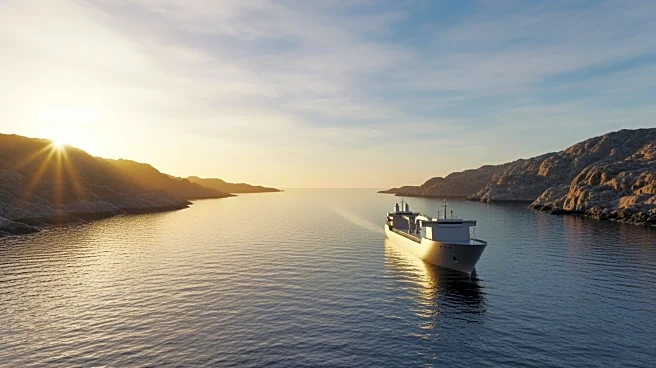
off the coast of Dubai, marking a major escalation in the conflict with Iran. The Strait of Hormuz is a critical passage for about one-fifth of the world's oil and LNG flows, and its closure has led to tightened markets and rising oil prices. The U.S. has increased its military presence in the region, although there are no immediate plans for ground operations.
Why It's Important?
The Strait of Hormuz is a strategic chokepoint for global energy supplies, and its closure poses a significant threat to international oil markets. The disruption has led to increased oil prices, which could have far-reaching economic consequences, including inflation and potential recession. President Trump's call for international cooperation underscores the global nature of the crisis and the need for a coordinated response to ensure the security of vital shipping routes. The situation highlights the geopolitical risks associated with energy supply chains and the importance of diplomatic and military efforts to maintain stability.
What's Next?
The international community is likely to respond to President Trump's call for action, with potential diplomatic and military measures to secure the Strait of Hormuz. The resolution of the conflict and reopening of the strait are critical to stabilizing global energy markets. Stakeholders, including governments and energy companies, will continue to monitor the situation closely, with potential implications for energy policy and international relations. The ongoing tensions may also prompt discussions on alternative energy routes and sources to reduce dependency on vulnerable chokepoints.