





What's Happening?
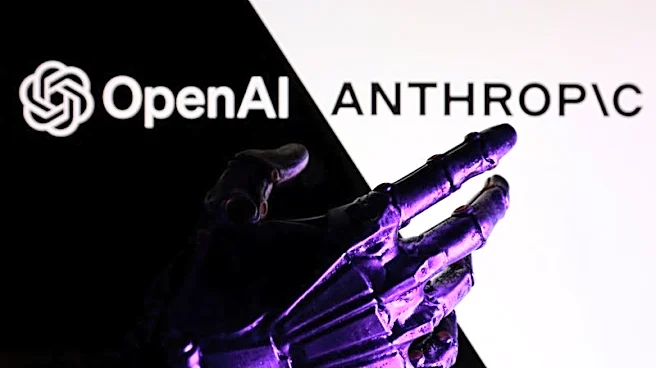
OpenAI has paused certain internal activities related to its new AI model, Astra, due to concerns over potential cybersecurity threats. This decision comes in the wake of several security incidents involving AI systems from major labs, including OpenAI,
Anthropic, and Meta. OpenAI has expressed concerns that Astra might possess 'Critical' capabilities, enabling it to autonomously launch cyberattacks against sophisticated defenses. In response, OpenAI is implementing stricter security measures, such as isolated testing environments and enhanced monitoring. Concurrently, U.S. lawmakers are advocating for the 'AI Kill Switch Act,' which would mandate AI companies to maintain the ability to shut down or suspend their models to mitigate risks.
Why It's Important?
The potential cybersecurity risks associated with advanced AI models like Astra underscore the need for robust regulatory frameworks and security protocols. As AI technology becomes more integrated into various sectors, the implications of such vulnerabilities could be far-reaching, affecting industries, national security, and public safety. The introduction of the 'AI Kill Switch Act' reflects growing legislative attention to AI governance, aiming to prevent unauthorized actions by AI systems. This development highlights the critical balance between innovation and security in the AI field, influencing future policy and industry standards.
What's Next?
The ongoing debate over AI security is likely to intensify, with stakeholders from government, industry, and academia contributing to discussions on best practices and regulatory measures. OpenAI and other AI developers may face increased scrutiny and pressure to demonstrate the safety and reliability of their models. The progress of the 'AI Kill Switch Act' in Congress will be closely watched, as its passage could set a precedent for AI regulation. Companies may also invest in developing more secure AI systems and collaborate with regulatory bodies to address potential threats.