






What's Happening?
School officials and the mayor of New Haven are in disagreement regarding the safety of the city’s public school buildings, just days before students are scheduled to return to school. The New Haven Board of Alders Education Committee has formally requested
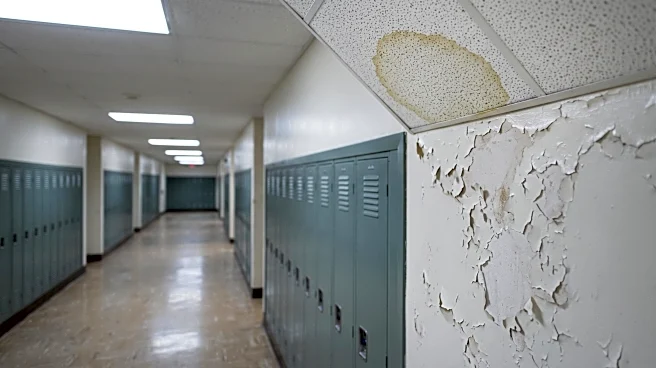
that the New Haven Health Department, Office of Emergency Management, and New Haven Fire Department conduct a citywide inspection of New Haven Public Schools facilities. This request follows reports of alleged health and safety hazards impacting students and staff. Committee members claim to have observed and documented various serious conditions during recent visits to Wilbur Cross High School, James Hillhouse High School, Fair Haven School, and Clinton Avenue School. These conditions reportedly include non-functioning HVAC systems, extreme temperatures, active leaks, water damage, visible mold, rodents, damaged exit signage, missing stairwell railings, non-functioning doors, utility outlet and eyewash station problems, unsafe exterior sidewalks and curbs, and persistent bathroom and odor issues. Additionally, the committee has received verbal and written reports of other concerns at Bishop Woods, East Rock, HSC, Lincoln Bassett, John Martinez, and Truman schools, such as failed indoor air quality testing, algae growth in a school pool, mushroom growth, staff respiratory issues, and non-functioning fixtures.
Why It's Important?
This dispute highlights a critical issue concerning the well-being and safety of students and staff within the New Haven public school system. The allegations of widespread health and safety hazards, if substantiated, could have significant implications for public health, educational quality, and the overall learning environment. Unsafe conditions like mold, poor air quality, and non-functioning essential systems can lead to health problems for students and staff, potentially increasing absenteeism and impacting academic performance. Furthermore, the disagreement between municipal officials and the school board could erode public trust in both institutions, particularly among parents and guardians who are entrusting their children to these facilities. The call for a citywide inspection suggests a systemic problem that, if not addressed promptly and transparently, could lead to legal challenges, increased public scrutiny, and a potential decline in school enrollment as families seek safer educational alternatives. The situation also raises questions about the allocation of resources and maintenance protocols within the school district.
What's Next?
The New Haven Health Department, Office of Emergency Management, and New Haven Fire Department are expected to respond to the formal request for a citywide inspection of New Haven Public Schools facilities. While Mayor Justin Elicker and Superintendent of Schools Madeline Negron have stated that an additional citywide inspection is not necessary, asserting that schools are regularly monitored and inspected, the Board of Alders Education Committee's request puts pressure on these departments to act. The committee has also invited school stakeholders with unresolved health or safety concerns to contact their legislative aide, indicating a continued effort to gather information and advocate for inspections. The mayor expressed disappointment that the letter was sent just days before the school year begins, suggesting a potential for further political tension. The outcome of this dispute will likely determine whether comprehensive, independent inspections are conducted, and what measures will be implemented to address any confirmed safety issues. This could involve significant financial investment in repairs and upgrades, and potentially a reevaluation of current maintenance and oversight procedures.
Beyond the Headlines
Beyond the immediate concerns of school safety, this situation reflects broader challenges faced by urban public school systems across the U.S., particularly regarding aging infrastructure and funding. Many older school buildings require substantial investment for maintenance and modernization, and disputes over responsibility and resources are common. This incident in New Haven could serve as a case study for other municipalities grappling with similar issues, emphasizing the importance of proactive maintenance, transparent communication, and clear lines of accountability between city government and school boards. The focus on health and safety also underscores evolving standards and expectations for public facilities, especially in the wake of increased awareness about environmental health factors. The long-term implications could include a push for more rigorous and independent oversight mechanisms for school infrastructure, and potentially new legislative efforts to secure dedicated funding for school building improvements at both state and federal levels. The incident also highlights the power of local legislative bodies to initiate investigations and demand accountability from other governmental entities.