

What's Happening?
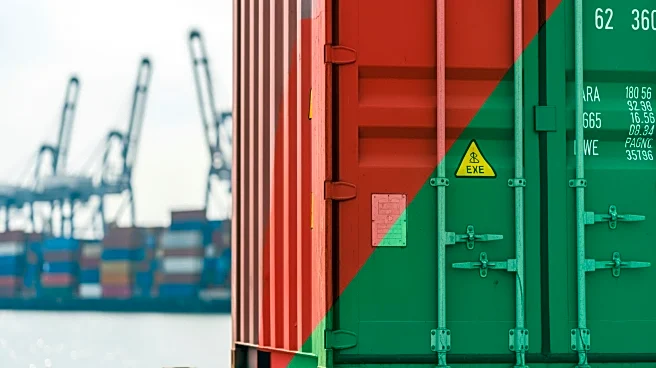
Mexico has approved a new set of tariffs, reaching up to 50%, on over 1,400 products from countries without a free trade agreement with Mexico, including China, Thailand, India, and Indonesia. These tariffs, set to take effect on January 1, 2026, target
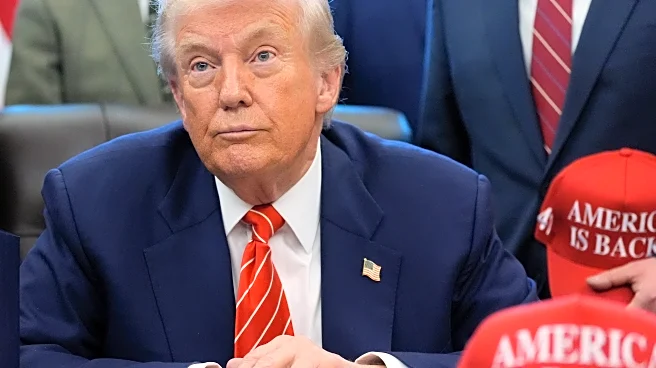
goods such as metals, cars, clothing, and appliances. The decision comes as Mexico is engaged in negotiations with the United States over potential import taxes that President Trump has threatened to impose. The Mexican Senate passed these measures to boost domestic production, according to President Claudia Sheinbaum. The move has drawn criticism from China, which claims the tariffs will significantly harm its trading interests. Meanwhile, China is seeking to strengthen its ties with Latin American and Caribbean countries through trade and innovation.
Why It's Important?
The imposition of these tariffs by Mexico could have significant implications for international trade dynamics, particularly affecting countries like China that are major exporters to Mexico. The tariffs are part of Mexico's strategy to protect and stimulate its domestic industries, but they also reflect the broader geopolitical tensions involving the U.S. and its trade policies under President Trump. The U.S. is Mexico's largest trading partner, and the ongoing negotiations over tariffs could impact bilateral trade relations. Additionally, the tariffs could lead to increased costs for Mexican consumers and businesses reliant on imported goods, potentially affecting economic growth and inflation in Mexico.
What's Next?
As the tariffs are set to be implemented in early 2026, affected countries may seek to negotiate with Mexico to mitigate the impact. The ongoing discussions between Mexico and the U.S. regarding import taxes could also influence future trade policies. If the U.S. proceeds with its threatened tariffs on Mexican goods, it could escalate trade tensions further, potentially leading to retaliatory measures. Observers will be watching how these developments affect Mexico's trade relationships and economic strategies, as well as the broader implications for global trade patterns.