






What's Happening?
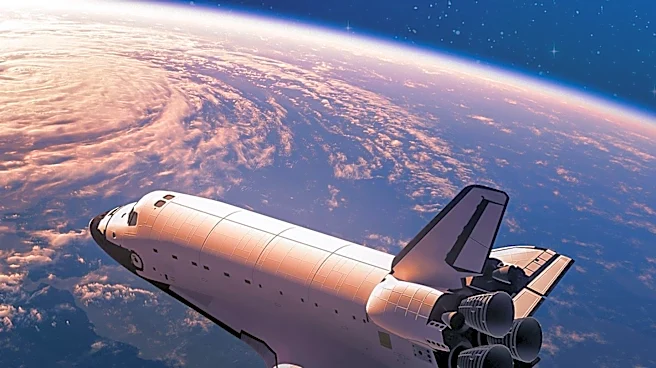
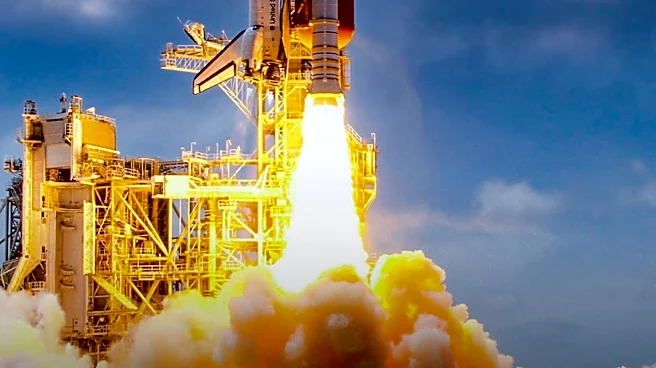
NASA's Space Shuttle program, which operated for 30 years, completed 135 missions with its fleet of Columbia, Challenger, Discovery, Atlantis, and Endeavour. Initially pitched to Congress in 1972 as a cost-effective reusable space transportation system
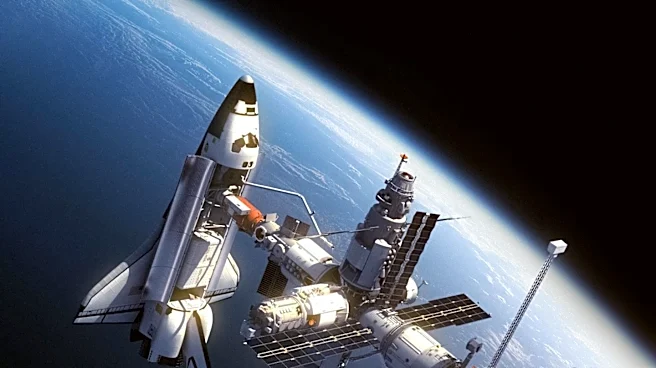
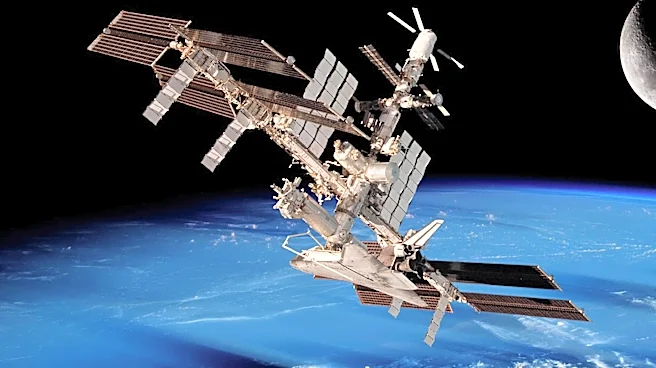
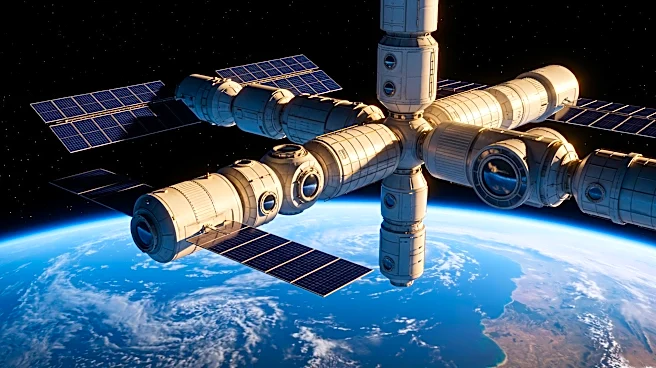
with flights costing $20 million, the program ultimately cost approximately $200 billion, with each mission averaging $1.5 billion. Despite the higher-than-anticipated costs and a lower flight frequency than projected (never exceeding nine flights annually), the Space Shuttle achieved significant milestones. These included deploying over 100 satellites, launching three of NASA's Great Observatories, sending probes to Venus and Jupiter, and docking with Russia's Mir station. A notable achievement was the repair of the Hubble Space Telescope in 1993, a mission only the Space Shuttle could perform. The program also played a crucial role in constructing the International Space Station (ISS) piece by piece. Over its operational period, 355 individuals from 16 countries flew on the Space Shuttle, occupying more than 800 seats.
Why It's Important?
The Space Shuttle program's importance lies in its unparalleled engineering feats and its profound impact on space exploration and international collaboration. It demonstrated the feasibility of reusable spacecraft, albeit at a higher cost than initially envisioned, pushing the boundaries of aerospace technology. The program's ability to deploy, retrieve, and repair satellites, particularly the Hubble Space Telescope, revolutionized space-based astronomy and scientific discovery. The construction of the International Space Station, a symbol of global cooperation in space, would not have been possible without the Shuttle's heavy-lift capabilities. Furthermore, the program expanded human presence in space, with diverse astronauts making historic flights, including the first American woman and African American in space. The Space Shuttle's legacy continues to influence current and future space endeavors, providing invaluable lessons in complex engineering, mission planning, and the challenges of human spaceflight, even as it highlighted the inherent risks with the tragic losses of Challenger and Columbia.
What's Next?
Following the retirement of the Space Shuttle fleet, the United States experienced a nine-year period without launching astronauts from its own soil, relying on Russian Soyuz spacecraft for crew transport to the ISS. The surviving orbiters, Discovery, Atlantis, and Endeavour, have been preserved and are now on display at various museums and space centers, serving as educational exhibits and reminders of their historical significance. The end of the Space Shuttle program spurred the development of commercial crew programs, leading to partnerships between NASA and private companies like SpaceX and Boeing to develop new spacecraft for transporting astronauts to the ISS. This shift represents a new era in U.S. human spaceflight, emphasizing commercial innovation and potentially more cost-effective access to low Earth orbit. The lessons learned from the Space Shuttle's operational challenges and successes continue to inform the design and safety protocols of these next-generation spacecraft, aiming for safer and more sustainable space exploration.
Beyond the Headlines
Beyond its direct contributions to space exploration, the Space Shuttle program had deeper implications for American society and its perception of technological ambition. The program, despite its cost overruns and tragic accidents, symbolized American ingenuity and its commitment to pushing scientific and engineering boundaries. The public's engagement with missions, particularly those involving civilian astronauts like Christa McAuliffe, brought space exploration closer to everyday life, inspiring generations. The program also highlighted the ethical considerations and immense risks associated with human spaceflight, prompting continuous re-evaluation of safety protocols and decision-making processes within NASA. The Space Shuttle's unique capability to return large payloads from orbit, a feature unmatched by subsequent vehicles, underscores a shift in space policy towards more specialized and less versatile launch systems. Its legacy is a complex tapestry of triumph and tragedy, demonstrating both the extraordinary potential and the inherent dangers of venturing beyond Earth.