







What's Happening?
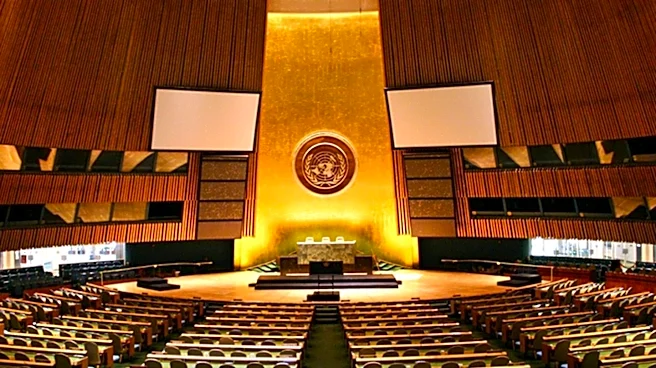
The United Nations General Assembly has unanimously approved a resolution to extend Nepal's preparatory period for graduating from the Least Developed Countries (LDC) category. Originally set for November 24, 2026, the new deadline is November 24, 2029.
This decision, formalized through Resolution A/81/L.8 on October 29, also applies to Bangladesh. The extension grants both nations additional time to address economic vulnerabilities, bolster domestic institutions, and prepare for the eventual cessation of international support measures associated with LDC status. Nepal's Ambassador and Permanent Representative to the United Nations, Lok Bahadur Thapa, confirmed the resolution. The initial five-year preparatory period, granted in November 2021, aimed to mitigate economic and social disruptions caused by the COVID-19 pandemic. However, as the original deadline approached, Nepal formally requested an extension on May 15, 2026, citing ongoing difficulties in economic and institutional readiness. The UN Committee for Development Policy (CDP) conducted a crisis assessment, recommending the extension on the condition that Nepal develops and implements a clear, time-bound plan to adjust its Smooth Transition Strategy.
Why It's Important?
This extension is crucial for Nepal as it provides a vital window to strengthen its economic foundations and institutional capacity before losing access to preferential international support and trade benefits. Graduation from LDC status, while a significant development milestone, entails the loss of certain advantages, including preferential market access in some export destinations. The General Assembly's acknowledgment of difficult and uncertain conditions, such as risks to remittances and tourism from recent conflicts, increasing climate-related shocks, and a challenging external trade environment, underscores the necessity of this additional time. Without adequate preparation, Nepal could face significant economic setbacks, potentially disrupting its development plans and programs. The decision highlights the international community's recognition of the complex challenges faced by developing nations and the need for flexible support mechanisms to ensure sustainable and irreversible development transitions. The involvement of the UN system and various development partners in supporting Nepal's transition strategy is critical for its successful implementation.
What's Next?
Nepal is now tasked with adjusting, prioritizing, and implementing its national Smooth Transition Strategy during the extended preparatory period. This strategy, adopted in 2024, focuses on key areas such as macroeconomic stability, trade and investment, economic transformation, productive capacity, climate change and disaster risk management, and social inclusion. The United Nations system, along with bilateral, regional, and multilateral development and trading partners, is expected to provide support for this process. Nepal will also be required to provide regular updates on its implementation progress through annual reports to the Committee for Development Policy. The UN resident coordinator in Nepal is encouraged to support the implementation, follow-up, and monitoring of the country's transition strategy against government-established milestones. The goal is to ensure that Nepal's graduation is sustainable and irreversible, without disrupting its development trajectory.
Beyond the Headlines
The repeated extensions for Nepal's LDC graduation, initially deferred in 2015 due to a devastating earthquake and now again due to ongoing vulnerabilities, highlight the inherent complexities and fragilities faced by developing nations. While LDC graduation signifies progress, the process itself can be precarious, requiring robust economic and institutional resilience to withstand the loss of international support. This situation underscores a broader debate within international development about the criteria and mechanisms for LDC graduation, and whether sufficient flexibility and tailored support are provided to ensure a smooth and sustainable transition. The emphasis on a 'Smooth Transition Strategy' reflects a recognition that a sudden withdrawal of support can undermine years of development efforts. This case could influence future decisions regarding other LDC countries, potentially leading to more adaptive and context-specific approaches to graduation, rather than rigid adherence to timelines, especially in the face of global crises like pandemics and climate change.