
What's Happening?
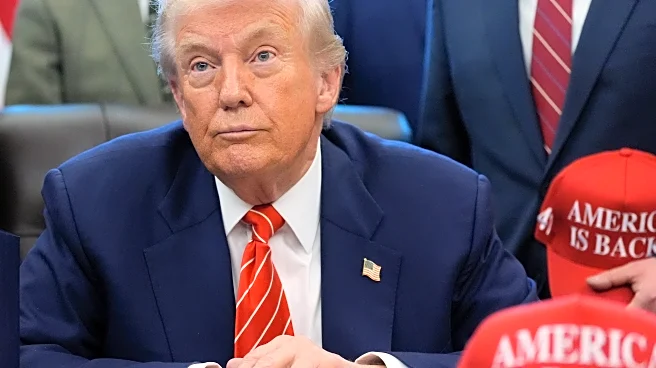
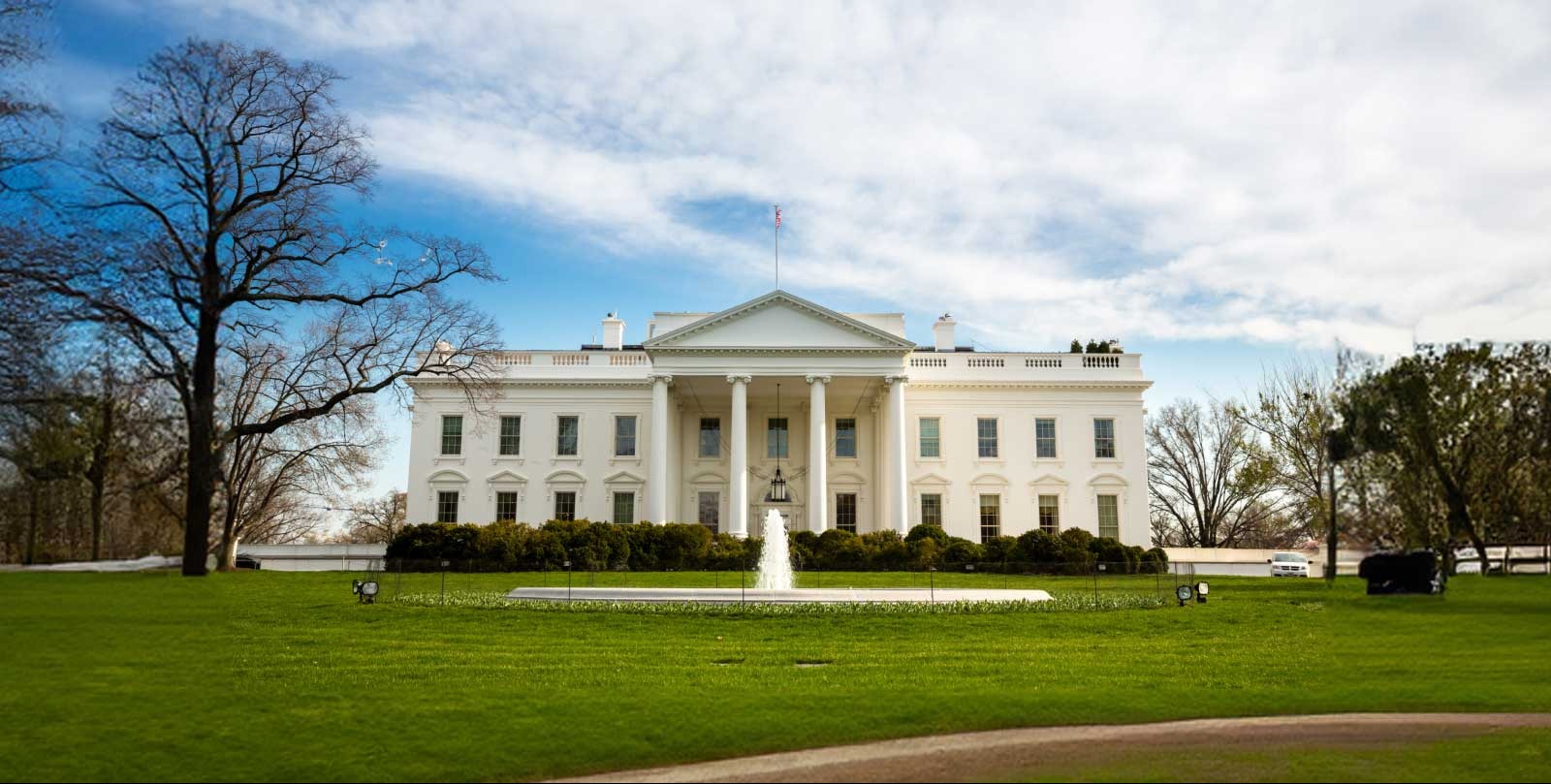
President Donald Trump recently expressed admiration for the ongoing construction of a new $400 million ballroom at the White House. This development follows the demolition of the East Wing in October
of the previous year. The construction project has been a significant focus for President Trump, who has been actively involved in its planning and execution. During a meeting with major oil company executives, including representatives from Chevron and ConocoPhillips, Trump was notably distracted by the view of the construction. The meeting was convened to discuss U.S. intervention in Venezuela. Vice President JD Vance, Interior Secretary Doug Burgum, and Secretary of State Marco Rubio were also present, sharing in the interest in the construction. The ballroom's lead architect has indicated that the administration is considering further expansions, including a potential second story to the West Wing colonnade.
Why It's Important?
The construction of the new ballroom at the White House represents a significant architectural and financial undertaking by the Trump administration. The project, with its substantial $400 million budget, highlights the administration's focus on enhancing the White House's infrastructure. This development also coincides with critical discussions on U.S. foreign policy, particularly regarding Venezuela, indicating the administration's dual focus on domestic and international issues. The presence of high-ranking officials and major oil executives underscores the importance of these discussions, which could have significant implications for U.S. energy policy and international relations. The ballroom project itself may also reflect broader themes of legacy and image-building within the administration.
What's Next?
As the construction of the ballroom progresses, further architectural expansions may be considered, such as the addition of a second story to the West Wing colonnade. This could lead to additional financial and logistical planning within the administration. The ongoing discussions with oil executives regarding Venezuela may also result in policy shifts or new initiatives in U.S. foreign policy. Stakeholders, including political leaders and business executives, will likely continue to monitor these developments closely, as they could impact both domestic and international strategies.