








What's Happening?
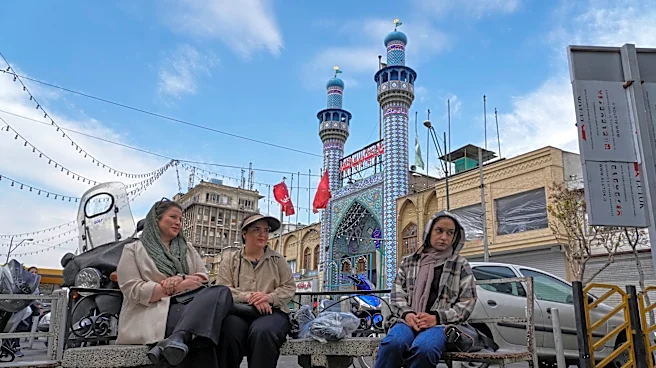
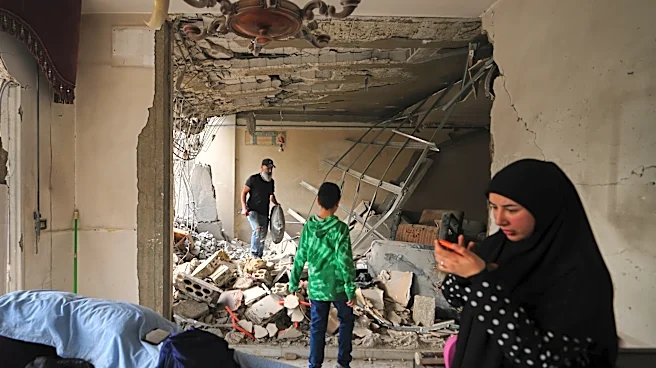
Iran's economy is experiencing significant turmoil due to extensive damage from U.S. and Israeli airstrikes, which have targeted thousands of factories, including key steel and petrochemical facilities. The strikes have led to a substantial loss of jobs,
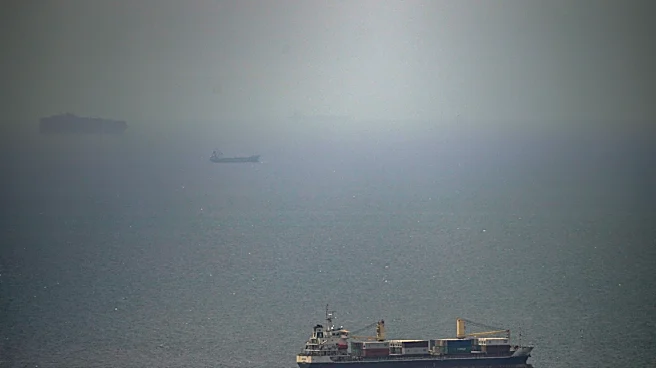
with at least 1 million positions directly affected and up to 12 million more at risk. The economic impact is exacerbated by a U.S. blockade of Iranian ports, severely restricting imports and oil exports. Iran's leaders are leveraging their control over the Strait of Hormuz, a critical global energy passage, as a bargaining chip, demanding the lifting of the blockade and an end to hostilities. The situation has led to skyrocketing prices for essential goods, such as chicken and dairy products, and has crippled industries like carpet manufacturing and construction.
Why It's Important?
The ongoing conflict and economic strain in Iran have significant implications for global energy markets and regional stability. The Strait of Hormuz is a vital channel for global oil shipments, and Iran's threat to close it could disrupt energy supplies worldwide, potentially leading to increased oil prices. The economic distress in Iran could also lead to further social unrest, as seen in previous protests, challenging the stability of the Iranian government. Additionally, the situation highlights the broader geopolitical tensions between Iran, the U.S., and Israel, with potential repercussions for international diplomatic relations and security dynamics in the Middle East.
What's Next?
The future of Iran's economy and its geopolitical stance largely depends on the resolution of the current conflict and the potential lifting of international sanctions. Iran's government is attempting to project resilience, promising increased unemployment insurance and relying on its reserves of vital supplies. However, the sustainability of these measures is uncertain, especially if the blockade continues. The international community, particularly countries reliant on Middle Eastern oil, will be closely monitoring the situation, as any escalation could have far-reaching economic and political consequences.
Beyond the Headlines
The economic crisis in Iran underscores the vulnerabilities of economies heavily reliant on a few key industries and the impact of international sanctions. It also raises ethical questions about the humanitarian impact of military strategies that target civilian infrastructure. The situation could lead to long-term shifts in global energy policies, as countries may seek to diversify their energy sources to reduce dependency on volatile regions.