







What's Happening?
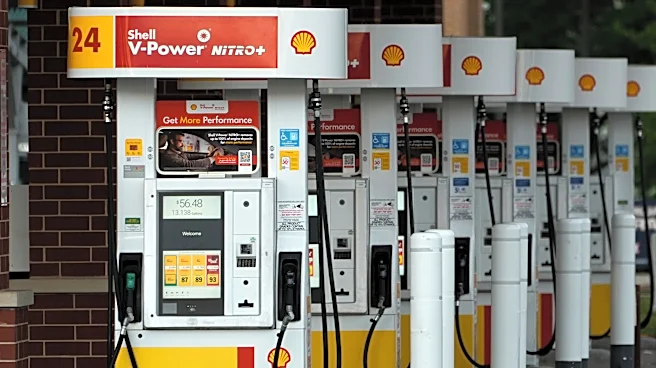
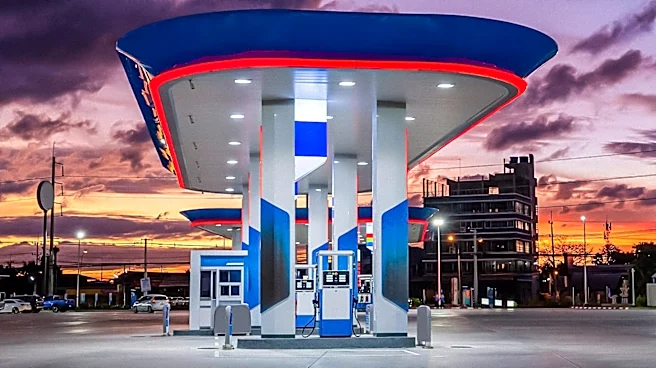
Gas prices in the United States have surpassed $4 per gallon as the conflict between the U.S. and Iran intensifies. According to AAA data, this marks the first time in over a month that the national average has crossed this threshold. The escalation in hostilities
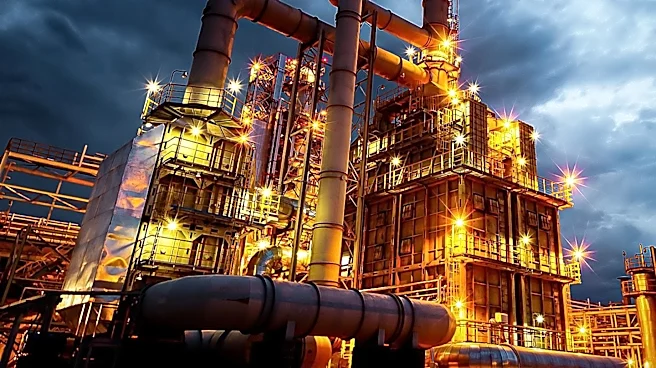
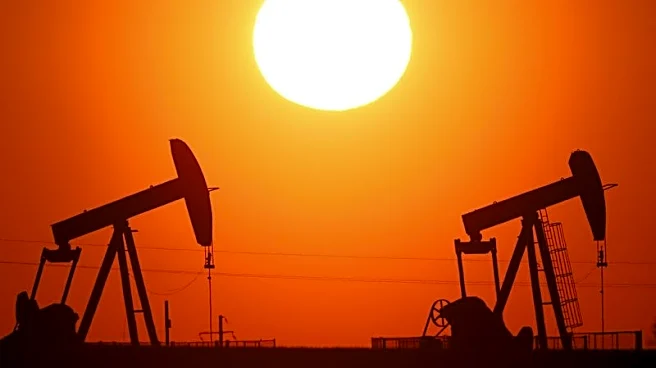
has disrupted oil supplies, particularly affecting the Strait of Hormuz, a critical chokepoint for global oil shipments. The increase in fuel costs is also impacting diesel prices, which are crucial for the transportation of goods across the country.
Why It's Important?
The rise in gas prices has significant economic implications, affecting both consumers and businesses. Higher transportation costs can lead to increased prices for goods, contributing to inflationary pressures. This situation is particularly concerning as the U.S. approaches midterm elections, with fuel costs being a major issue for voters. The conflict underscores the importance of energy security and the need for diversified energy sources to reduce dependency on volatile regions.
What's Next?
As the conflict continues, further increases in gas prices are possible, which could exacerbate economic challenges. Policymakers may need to explore measures to stabilize the energy market, such as releasing strategic reserves or accelerating the transition to alternative energy sources. Diplomatic efforts to resolve the conflict could also play a critical role in stabilizing prices. The situation remains dynamic, with potential for both escalation and resolution.