




What's Happening?
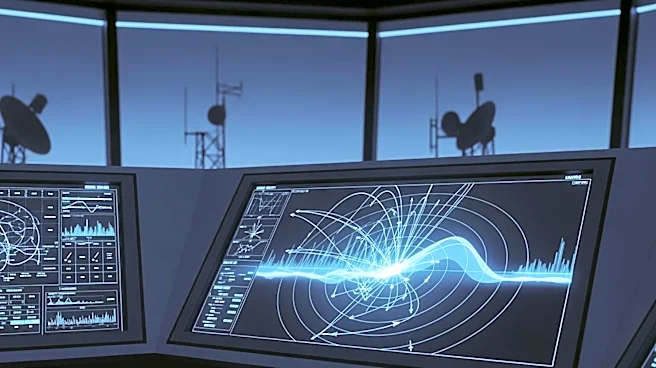
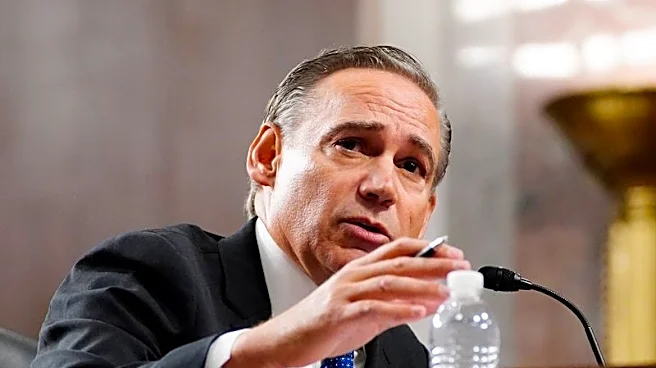
FAA Administrator Bryan Bedford has highlighted the urgent need to update the U.S. air traffic control system, which currently relies on outdated analog technology. Speaking at the Modern Skies Summit, Bedford and Transportation Secretary Sean Duffy outlined
their ambitious project to create the Brand New Air Traffic Control System (BNATCS). The initiative aims to replace old radar and radio networks with modern technologies, including fiber optic cables and upgraded systems. The project, spanning 10 million labor hours and involving 50 vendors, is scheduled for completion by the end of President Trump's term in 2028. Bedford emphasized the importance of safety and efficiency, noting that the modernization could reduce costs and improve flight times.
Why It's Important?
The modernization of the U.S. air traffic control system is crucial for enhancing the safety and efficiency of national aviation. By transitioning to digital technologies, the FAA aims to reduce delays, conflicts, and cancellations, ultimately lowering operational costs and fuel consumption. This overhaul could significantly benefit airlines, passengers, and the environment by streamlining flight operations and reducing carbon emissions. The project also addresses the need for more air traffic controllers, which is vital for managing increased air travel demand. Successful implementation could position the U.S. as a leader in aviation technology, fostering innovation and economic growth.
What's Next?
The FAA's modernization project requires additional funding from Congress to ensure timely completion. As the initiative progresses, collaboration with AI companies may enhance system capabilities, although specific partners have not been disclosed. The FAA plans to hire thousands of air traffic controllers to meet growing demand, addressing current staffing shortages. Stakeholders, including airlines and industry groups, are likely to support the project, given its potential to improve operational efficiency and safety. Continued oversight and accountability will be essential to ensure the project's success and maintain public trust.