






What's Happening?
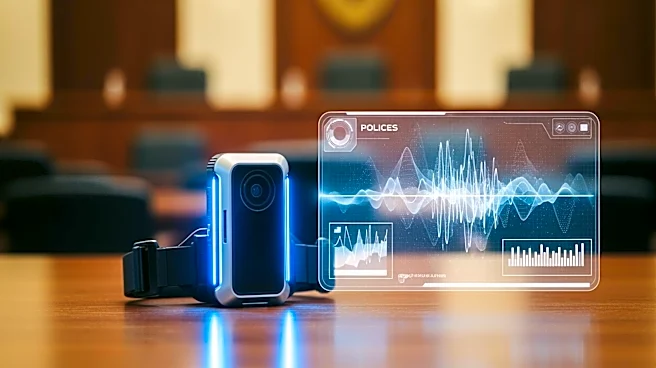
The Casper City Council has authorized a 60-day trial for the police department to use AI software to analyze bodycam footage. This initiative aims to automate the review and categorization of video content, as well as evaluate officer performance during
calls. The software, provided by TRULEO, promises to streamline the process of handling body-worn camera footage, potentially reducing report-writing time through AI-assisted documentation. Additionally, the council approved an affiliate agreement with the Wyoming Division of Criminal Investigation (DCI) to support the Internet Crimes Against Children Task Force. This agreement is part of a state-level program that provides local jurisdictions with resources and cyber tips from the National Center for Missing and Exploited Children.
Why It's Important?
The introduction of AI technology in police operations could significantly enhance the efficiency and accuracy of bodycam footage analysis. By automating the review process, the Casper Police Department may improve its ability to monitor officer conduct and ensure accountability. This move reflects a broader trend of integrating AI into law enforcement to optimize operations and resource management. The partnership with DCI also underscores the importance of collaborative efforts in combating digital crimes against children, providing local authorities with crucial support and resources. These developments could lead to more effective policing and better protection for vulnerable groups.
What's Next?
The Casper Police Department will assess the operational benefits of the TRULEO software during the trial period. If successful, this technology could be permanently integrated into their operations, potentially setting a precedent for other jurisdictions to follow. The ongoing collaboration with DCI may also expand, enhancing the state's capacity to address child sexual abuse material. Stakeholders, including law enforcement agencies and civil rights groups, will likely monitor the outcomes of these initiatives closely, evaluating their impact on privacy, efficiency, and public safety.