




What's Happening?
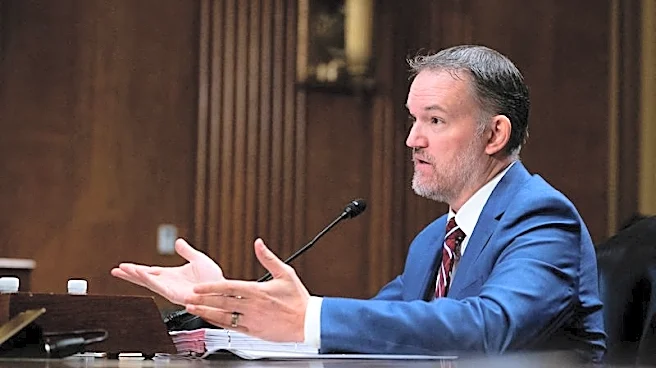
U.S. Senators Maria Cantwell and Edward Markey have raised concerns about the Federal Motor Carrier Safety Administration's (FMCSA) handling of crash data involving large trucks and buses. Following an investigative report by ProPublica and WBUR, it was
revealed that FMCSA has been undercounting crashes, injuries, and fatalities, which undermines its ability to enforce safety regulations effectively. The investigation highlighted a significant data gap, particularly involving the multinational company Transdev, which operates school buses. Over the past decade, 42 fatal crashes involving Transdev were not recorded in FMCSA's database. This lack of accurate data impedes the agency's capacity to identify and sanction high-risk motor carriers, thereby compromising public safety.
Why It's Important?
The issue of incomplete crash data is critical as it directly affects the FMCSA's mission to ensure road safety. Accurate data is essential for identifying and targeting unsafe companies, which can prevent future accidents and save lives. The decline in enforcement actions under President Trump's administration, as noted by the Senators, further exacerbates the problem. With nearly 5,000 fatalities involving large trucks and buses in 2024 alone, the need for reliable data and stringent enforcement is paramount. The lack of action against companies like Transdev, despite their involvement in numerous crashes, highlights systemic issues within FMCSA that could have widespread implications for public safety and regulatory effectiveness.
What's Next?
Senators Cantwell and Markey have requested detailed information from FMCSA to address these data gaps and improve safety measures. They have set a deadline of August 12, 2026, for FMCSA to provide documents demonstrating how it monitors the safety performance of motor carriers, particularly those transporting children. The Senators are also seeking explanations for the decline in enforcement actions and the processes used to verify crash data accuracy. This inquiry could lead to policy changes or increased oversight to ensure that FMCSA fulfills its safety mandate effectively.