
What's Happening?
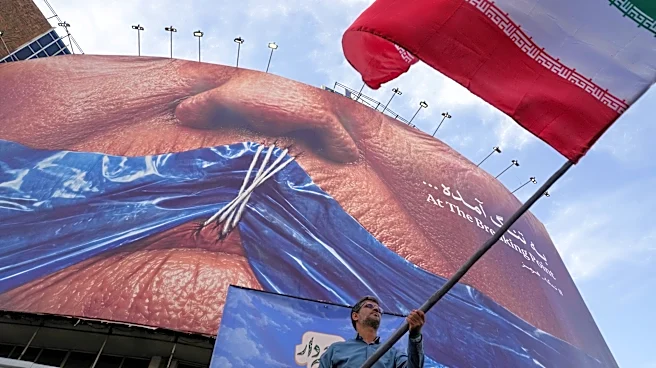
The ongoing conflict involving Iran has led to significant disruptions in global energy markets, particularly due to the blockade of the Strait of Hormuz, a critical chokepoint for oil transportation.
Oil executives from major companies have indicated that this situation is prompting a reevaluation of energy security strategies worldwide. The shortage of oil has highlighted vulnerabilities in the global energy supply chain, leading to increased investments in oil exploration and production, as well as in low-carbon solutions like nuclear and geothermal energy. The conflict has also underscored the need for diversified energy sources to reduce reliance on any single region.
Why It's Important?
The disruption in oil supply due to the Iran conflict has far-reaching implications for global energy security and economic stability. As countries reassess their energy strategies, there could be a shift towards more sustainable and diversified energy sources, potentially accelerating the transition to renewable energy. This situation also emphasizes the strategic importance of U.S. crude oil in maintaining global energy security, as U.S. exports have reached record levels. The conflict's impact on oil prices and supply chains could influence global economic conditions and energy policies for years to come.
What's Next?
Governments and companies are likely to continue prioritizing energy security, with increased investments in infrastructure and diversification of energy sources. The rebuilding of global oil inventories and the exploration of new energy opportunities, particularly in underdeveloped regions like Africa, are expected to be key focus areas. The ongoing conflict and its resolution will play a critical role in shaping future energy markets and geopolitical dynamics.