






What's Happening?
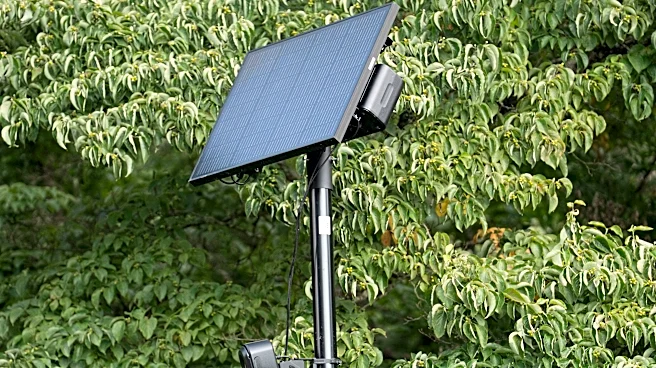
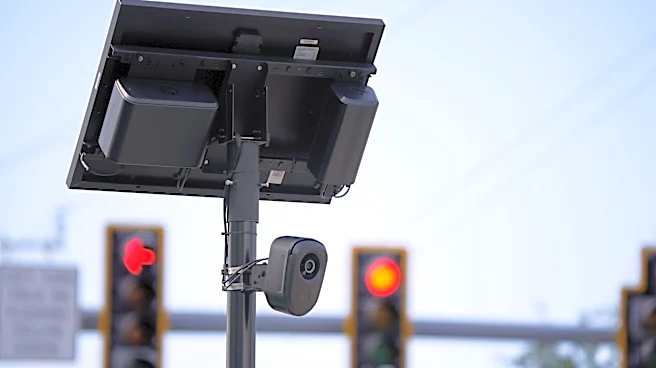
Richmond Mayor Danny Avula announced a reevaluation of the city's use of Automatic License Plate Reader (ALPR) technology, specifically cameras provided by Flock Safety. This decision comes in response to a significant shift in public sentiment and growing
privacy concerns surrounding the technology. Mayor Avula, who previously supported Flock's use for public safety benefits, stated that the issue is not closed and he remains open to community feedback. He acknowledged that the recent increase in public criticism signals a need to reassess the city's engagement with Flock. At least 20 other localities in Virginia, including Goochland County, have indicated they will cease using Flock technology, while Richmond, Henrico, and Chesterfield counties currently maintain active contracts. The Mayor's statement was delivered in a nearly four-minute video posted on the city's Instagram page.
Why It's Important?
This reevaluation is important as it reflects a growing tension between public safety initiatives and individual privacy rights in the digital age. The use of ALPR technology, while touted for its crime-solving capabilities, raises significant concerns about surveillance and data retention. The decision by Mayor Avula to reconsider the city's contract with Flock Safety could set a precedent for other municipalities grappling with similar issues. For residents, this move signifies a potential shift towards greater transparency and accountability in how their data is collected and used by local law enforcement. Businesses involved in surveillance technology may face increased scrutiny and demand for more privacy-centric solutions. The outcome of Richmond's review could influence legislative discussions at the state level, where some lawmakers have already called for an outright ban on such technologies, impacting the broader landscape of public safety and privacy policy.
What's Next?
Mayor Avula has outlined four key action items for the immediate future. First, the city will conduct a comprehensive review of Flock Safety's technology and its existing contract, exploring whether alternative vendors can offer similar public safety benefits with fewer privacy risks. The current contract has approximately another year remaining. Second, the Mayor committed to actively gathering resident feedback through various forms to ensure community voices are heard. Third, the city will reexamine its oversight and transparency mechanisms, including considering an independent third-party review of its policies and procedures related to ALPR technology. Finally, Mayor Avula has directed the Richmond Police Department to immediately reduce the data retention period for license plate data from 21 days to seven days. He also plans to collaborate with state legislators on this issue, acknowledging the ongoing debate about potential bans on such technology.
Beyond the Headlines
The debate surrounding Flock Safety technology in Richmond highlights a broader societal challenge: balancing the desire for enhanced public safety with the fundamental right to privacy. While proponents argue that ALPRs are crucial tools for law enforcement in solving violent crimes, particularly in communities disproportionately affected by them, critics point to the potential for mass surveillance, data misuse, and the erosion of civil liberties. The ethical implications of continuously tracking citizens' movements, even without suspicion, are profound. This situation also underscores the evolving role of technology in governance and the increasing demand for transparency and public input in decisions that impact personal data. The outcome in Richmond could influence how cities nationwide approach smart city initiatives and the deployment of surveillance technologies, potentially leading to more robust regulatory frameworks and greater public oversight to safeguard individual freedoms.