




What's Happening?
The Montana Clean Energy Summit was held at Montana State University (MSU) in Bozeman, bringing together educators, students, and energy professionals. The event, hosted by the Montana Renewable Energy Association (MREA), focused on the future of renewable
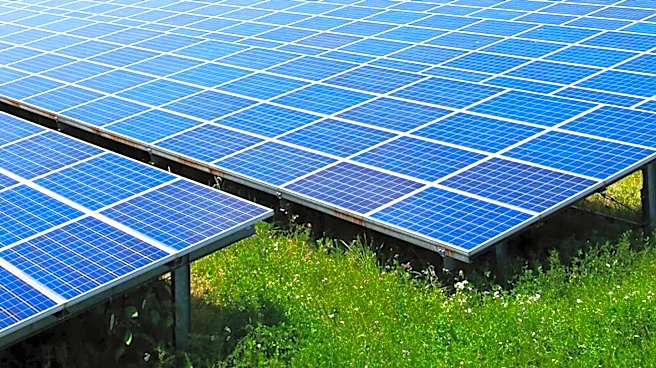
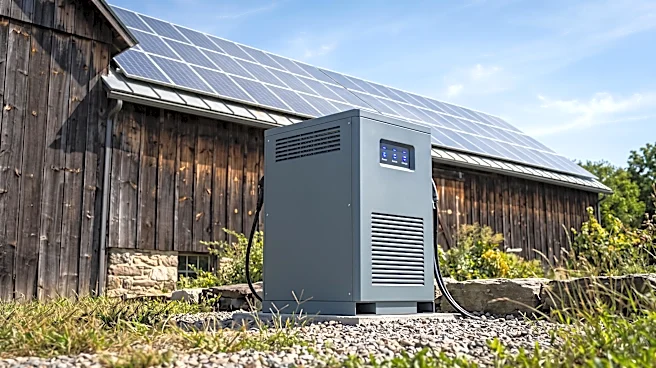
energy and potential opportunities within the state. Discussions at the summit covered various topics, including solar energy, battery storage, and strategies for implementing recommendations from the Governor's Energy Task Force report. MREA Executive Director Makenna Sellers emphasized the importance of interdisciplinary dialogue for advancing renewables in Montana. Organizers stated that the summit aimed to foster collaboration and explore practical methods to expand clean energy initiatives across the state. The event also highlighted avenues for public involvement through organizations like the Montana Renewable Energy Association.
Why It's Important?
This summit is crucial for Montana's economic and environmental future, as it directly addresses the state's energy challenges and opportunities in renewable resources. By bringing together diverse stakeholders—from academia to industry—it facilitates the exchange of ideas and the development of actionable strategies for clean energy expansion. The focus on implementing recommendations from the Governor's Energy Task Force report indicates a concerted effort to translate policy into practical application. Expanding clean energy can lead to job creation in new sectors, reduce reliance on traditional energy sources, and contribute to environmental sustainability. For students, participation offers valuable insights into emerging career paths and networking opportunities within a growing industry, potentially shaping Montana's future workforce in renewable energy.
What's Next?
The discussions and collaborations initiated at the Montana Clean Energy Summit are expected to inform future policy decisions and investment in renewable energy projects across the state. The Montana Renewable Energy Association will likely continue its role in advocating for and educating the public on renewable energy, providing a platform for ongoing engagement. The insights gained from the summit, particularly regarding the implementation of the Governor's Energy Task Force recommendations, could lead to specific legislative proposals or state-funded initiatives. Continued collaboration between educational institutions like MSU and industry leaders will be vital for workforce development and technological innovation in Montana's clean energy sector. The event sets a precedent for future gatherings aimed at advancing the state's renewable energy goals.
Beyond the Headlines
The Montana Clean Energy Summit signifies a broader shift in regional economic development towards sustainable practices and green technologies. Beyond the immediate discussions, the summit reflects a growing recognition of the economic and environmental benefits of transitioning to clean energy. It highlights the role of universities as hubs for innovation and collaboration, connecting academic research with practical industry needs. The emphasis on workforce development underscores the long-term vision of creating a skilled labor force capable of supporting a robust renewable energy infrastructure. This initiative could position Montana as a leader in clean energy within the intermountain West, attracting investment and talent, and fostering a more resilient and diversified economy less dependent on traditional resource extraction. The event also subtly addresses the ethical imperative of environmental stewardship and the cultural shift towards sustainable living.