


What's Happening?
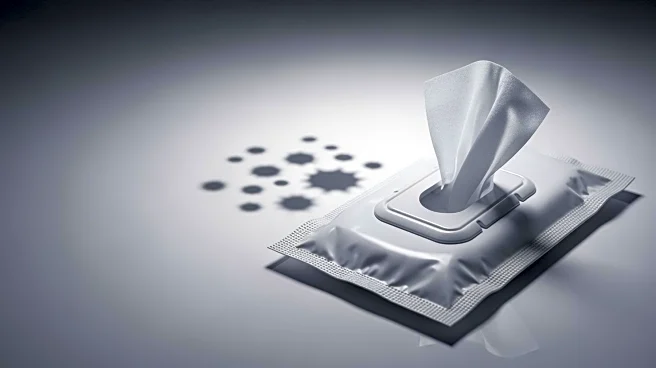
The UK Health Security Agency (UKHSA) and the Medicines and Healthcare products Regulatory Agency (MHRA) have issued a warning against the use of certain non-sterile alcohol-free wipes following an outbreak of Burkholderia stabilis infections. This bacterium,
which can cause serious infections, has been linked to 59 confirmed cases and one death. The outbreak, identified in the UK from January 2018 to February 2026, continues to pose a risk, particularly to immunocompromised individuals and those with conditions like cystic fibrosis. The agencies have specifically named four brands of wipes that should be avoided and disposed of immediately. These wipes are not suitable for use on broken or damaged skin, and should not be used for cleaning intravenous lines. The MHRA and UKHSA have taken steps to notify health professionals and have issued safety alerts to prevent further use of these contaminated products.
Why It's Important?
The warning from UK health agencies highlights the critical importance of product safety in healthcare settings. The use of contaminated wipes poses a significant risk to vulnerable populations, including those with compromised immune systems. This situation underscores the need for stringent quality control and monitoring of healthcare products to prevent similar outbreaks. The incident also raises awareness about the potential dangers of using non-sterile products in medical and home care environments. The response from health agencies demonstrates the importance of swift action and communication in mitigating public health risks. This case may prompt further scrutiny and regulation of similar products in the U.S. and other countries, emphasizing the global nature of product safety in healthcare.
What's Next?
Health agencies are likely to continue monitoring the situation closely and may conduct further investigations to ensure all contaminated products are removed from circulation. There may be increased regulatory scrutiny on manufacturers of healthcare products to ensure compliance with safety standards. Public awareness campaigns could be initiated to educate consumers about the risks associated with non-sterile products. Additionally, healthcare providers may review and update their protocols for product use in clinical settings to prevent similar incidents. The situation may also lead to policy discussions on improving product safety regulations and enforcement mechanisms.