







What's Happening?
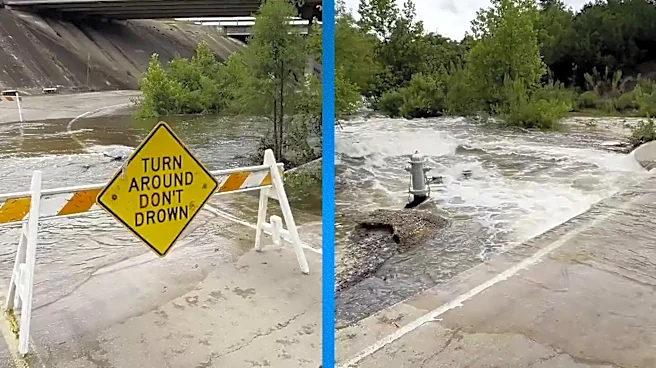
Two teenagers have been arrested in connection with the drowning of Daniel Erving, an 18-year-old high school swimmer, at Lake Ray Hubbard in Texas. The incident occurred in April when Erving and two friends jumped off a railroad bridge into the lake.
Erving's body was recovered four days later, and his death was ruled an accidental drowning. The arrested individuals, Lucas Roper, 19, and a 17-year-old juvenile, allegedly failed to report the incident and disposed of Erving's belongings, including his cellphone and clothes. Roper reportedly deleted communications with Erving from his phone, fearing an investigation. The arrests were made on July 9, with both suspects charged with tampering with physical evidence, a third-degree felony.
Why It's Important?
The case has drawn significant attention due to the delay in arrests and the actions of the suspects following the drowning. Erving's family has criticized the police for taking three months to make an arrest, despite having interviewed the suspects shortly after the incident. The family is calling for murder charges, arguing that the suspects' actions suggest culpability. This case highlights issues of legal accountability and the responsibilities of individuals in emergency situations. It also raises questions about the adequacy of the legal response to such incidents and the potential need for more stringent laws regarding the handling of evidence in accidental deaths.
What's Next?
The case remains under investigation by the Dallas Police Department, with the possibility of further charges being considered. The family's attorney has urged the Dallas County District Attorney's Office to present the case to a grand jury for potential homicide charges. The outcome of this case could influence future legal proceedings in similar situations, potentially leading to changes in how accidental deaths are investigated and prosecuted. The community and legal observers will be closely watching the developments, as the case could set a precedent for handling evidence tampering in accidental death cases.