




What's Happening?
The International Maritime Organization (IMO) has adopted a strategy to eliminate greenhouse gas emissions from the global maritime sector by the middle of the century. This initiative is part of a broader effort to establish a legally binding framework
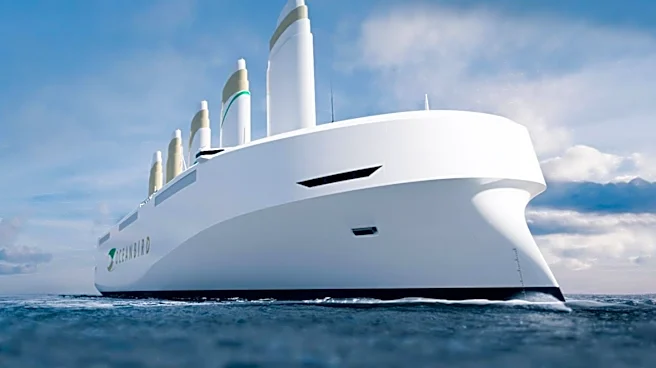
for achieving net-zero emissions. The maritime industry is under pressure to replace conventional fuels with scalable, zero-carbon alternatives. Various alternative fuels, such as methanol, biofuels, ammonia, and liquefied natural gas (LNG), are being explored, each presenting unique challenges in terms of cost, scalability, and environmental impact. Floating nuclear power plants (FNPPs) are emerging as a potential solution, offering stable, low-emission energy. However, commercial adoption faces hurdles such as high insurance costs, port limitations, and safety concerns.
Why It's Important?
The push for zero-carbon maritime fuels is crucial for reducing the environmental impact of the shipping industry, which is a significant contributor to global greenhouse gas emissions. The transition to alternative fuels and technologies like FNPPs could lead to more sustainable maritime operations, reducing reliance on volatile oil markets and enhancing energy security. This shift presents opportunities for ports and energy-intensive industries to secure stable energy supplies and lower operating costs. However, the transition also involves navigating regulatory uncertainties, geopolitical risks, and the need for new insurance frameworks to cover emerging risks associated with new fuels and technologies.
What's Next?
The IMO is expected to continue updating its regulations to accommodate new technologies, such as nuclear-powered ships, which could play a significant role in reducing emissions. As FNPPs and other alternative fuels gain traction, collaboration between governments, private companies, and international organizations will be essential to develop global frameworks and support the deployment of these technologies. The maritime industry will need to invest in capability building and risk management to capitalize on the benefits of clean marine energy solutions.
Beyond the Headlines
The transition to zero-carbon maritime fuels could have broader implications for global trade and energy markets. The adoption of FNPPs and other alternative fuels may influence geopolitical dynamics, as countries and companies vie for leadership in clean energy technologies. Additionally, the development of new insurance products and frameworks will be critical to support the adoption of these technologies, ensuring that risks are managed effectively and investments are protected.