


What's Happening?
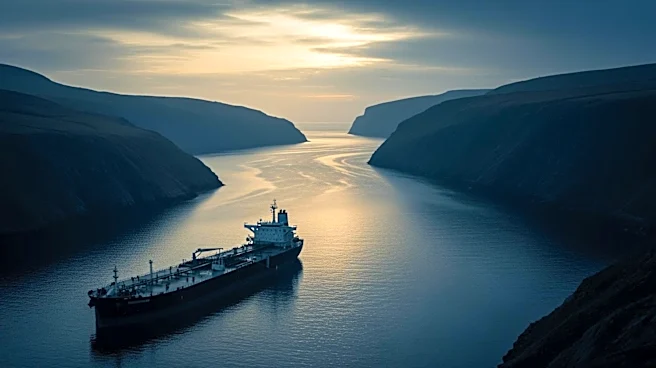
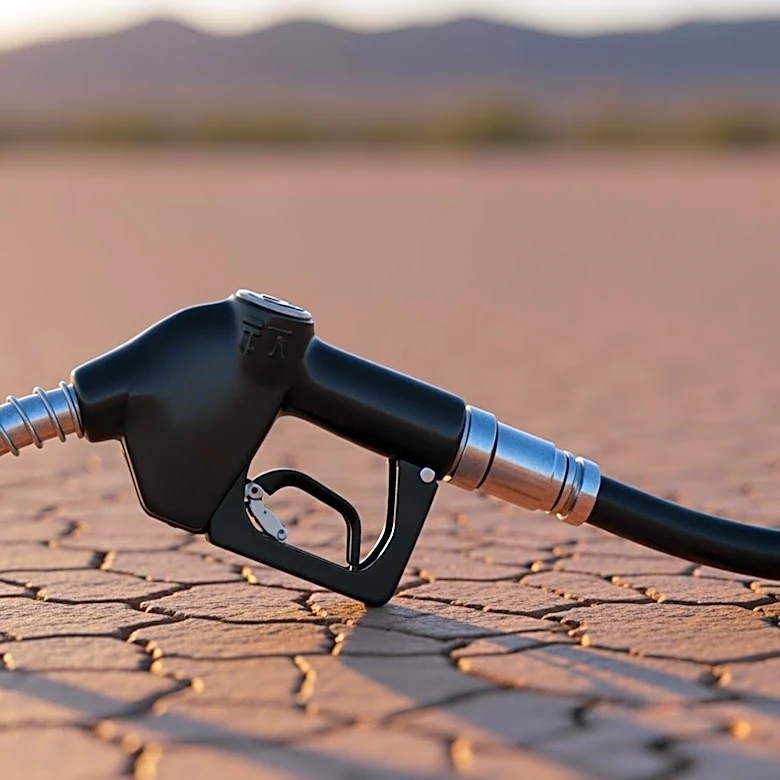
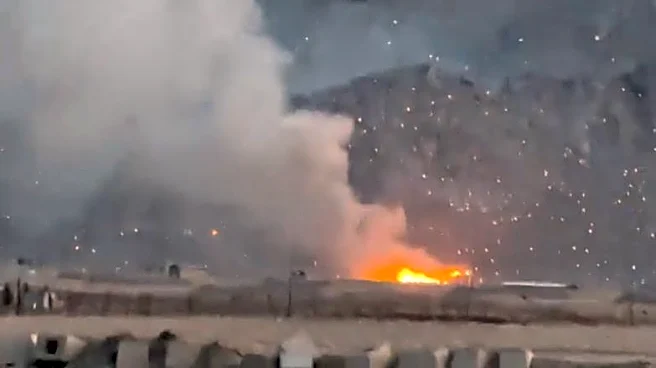
The ongoing conflict in Iran has triggered an energy crisis in Europe, with the European Union urging citizens to conserve energy. The war has disrupted energy supplies, particularly through the Strait of Hormuz, a critical chokepoint for global oil and
gas transport. As a result, energy prices have surged, and there are fears of a supply crunch. The EU is less dependent on Middle Eastern energy than Asia, but the conflict has still led to significant financial impacts and potential shortages. European leaders are considering measures to mitigate the crisis, including boosting renewable energy investments and reducing reliance on fossil fuels.
Why It's Important?
The energy crisis highlights Europe's vulnerability to geopolitical conflicts and its dependence on external energy sources. Rising energy prices could lead to increased costs for industries and consumers, potentially spiking inflation and affecting economic stability. The situation underscores the need for Europe to accelerate its transition to renewable energy and reduce reliance on fossil fuels. The conflict also emphasizes the interconnectedness of global energy markets, as disruptions in one region can have widespread effects. This crisis could drive policy changes and investments in energy diversification and sustainability.
What's Next?
European leaders are likely to continue exploring strategies to enhance energy security, including increasing renewable energy capacity and improving energy efficiency. The EU may also consider policy measures such as price caps or subsidies to alleviate the immediate impact on consumers and industries. As the conflict persists, Europe will need to navigate the challenges of securing energy supplies while maintaining commitments to sustainability and reducing carbon emissions. The situation may also prompt further international cooperation to address energy security and climate change.