


What's Happening?
Rapid City, South Dakota, has extended its mandatory water conservation measures to be year-round, moving the status of Pactola Reservoir from 'concern' to 'alert.' This decision means that the existing odd-even lawn watering schedules, in place since
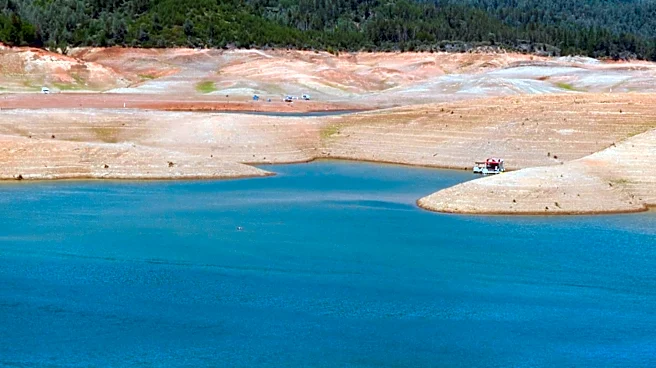
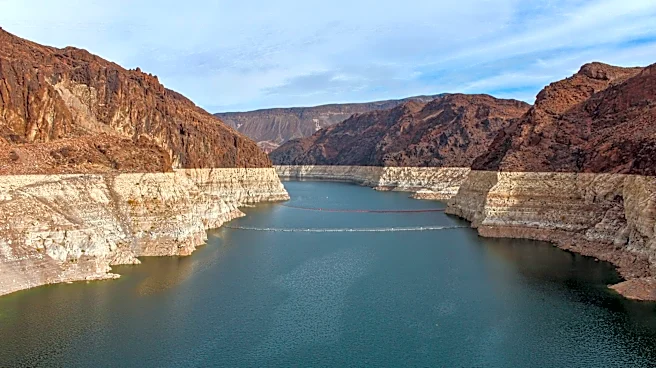
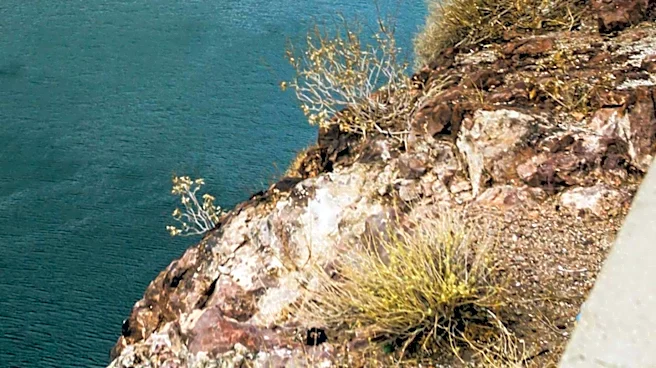
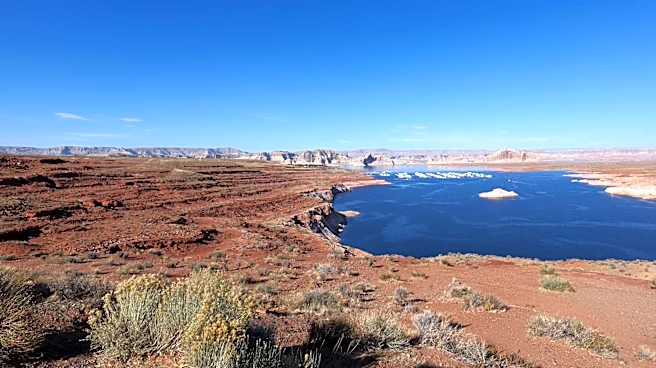
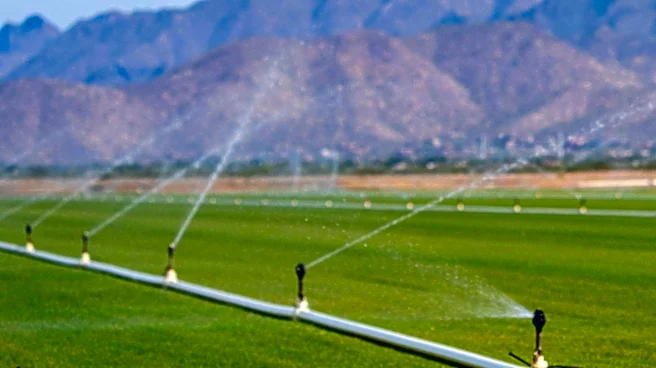
late March, will continue indefinitely past their original September 30 cutoff date. City Water Superintendent Eric Boyda clarified that this extension is not due to the current water levels in the reservoir, which remains at 73.6% capacity, but rather because of critically low inflows from the surrounding watershed. Despite recent rainfall in Rapid City, the upper watershed feeding the reservoir is experiencing extreme drought, with August inflows dropping significantly below the historical mean monthly average of 50 cubic feet per second (cfs) to as low as 18.5 cfs. Manual watering with a handheld hose, bucket, or watering can is still permitted at any time, and temporary waivers are available for new sod or seeding, provided watering occurs during permitted overnight hours.
Why It's Important?
This year-round extension of water restrictions highlights the growing challenges U.S. municipalities face in managing water resources amidst changing climate patterns and localized drought conditions. While the Pactola Reservoir currently holds sufficient water for several years, the decision to implement permanent conservation measures underscores a proactive approach to long-term water security. The reliance on inflow rates rather than immediate reservoir levels for policy decisions reflects a strategic shift towards sustainable resource management, aiming to prevent future crises. For residents and businesses in Rapid City, these measures will necessitate ongoing adjustments to water usage habits, potentially impacting landscaping practices and outdoor activities. The situation also serves as a case study for other regions dependent on similar reservoir systems, emphasizing the importance of monitoring watershed health and adapting conservation strategies even when immediate water supplies appear adequate.
What's Next?
The year-round water restrictions in Rapid City will remain in effect until there is a sustained and substantial increase in inflow levels into the Pactola Reservoir. City Water Superintendent Eric Boyda indicated that a significant change is unlikely before evaluating the upcoming winter's snowpack, which is a critical factor for spring runoff and reservoir replenishment. Residents will continue to adhere to the odd-even watering schedule, with no outdoor watering allowed between 9 a.m. and 6 p.m. daily, and no watering on the 31st day of any month. Public Works will continue to process applications for temporary waivers for new sod or seeding. If conditions worsen and the city reaches a 'critical' status, outdoor watering could be banned entirely. The city will monitor inflow rates and watershed conditions to determine when the restrictions can be eased or modified.
Beyond the Headlines
The situation in Rapid City extends beyond immediate water conservation, touching upon broader environmental and economic implications. The extreme drought in the upper watershed, despite local rainfall, illustrates the complex and often localized nature of climate impacts, challenging conventional perceptions of water availability. This scenario could prompt a reevaluation of urban planning and development strategies, encouraging more drought-resistant landscaping and water-efficient infrastructure. Economically, businesses reliant on outdoor water use, such as nurseries or car washes, may face ongoing operational adjustments. Furthermore, the city's proactive measures, including native pollinator habitats and leak detection, reflect a growing understanding of integrated water management, where conservation is intertwined with ecological health and infrastructure resilience. This long-term perspective is crucial for urban centers across the U.S. as they grapple with unpredictable weather patterns and the need for sustainable resource stewardship.