




What's Happening?
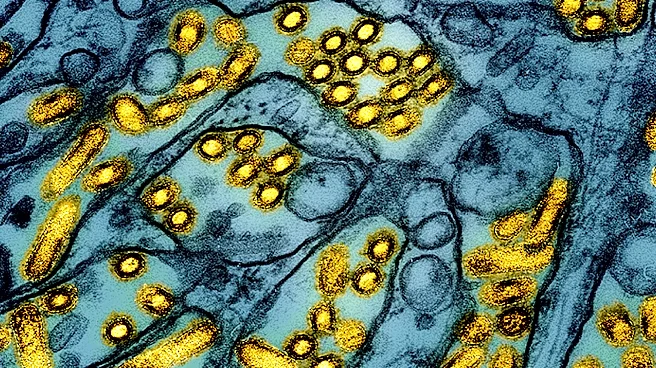
The Hawaii Department of Health (DOH) has confirmed the 11th travel-related dengue virus case in the state for 2026. The latest case was identified on Oʻahu, involving an individual who contracted the virus while traveling in a region where dengue is
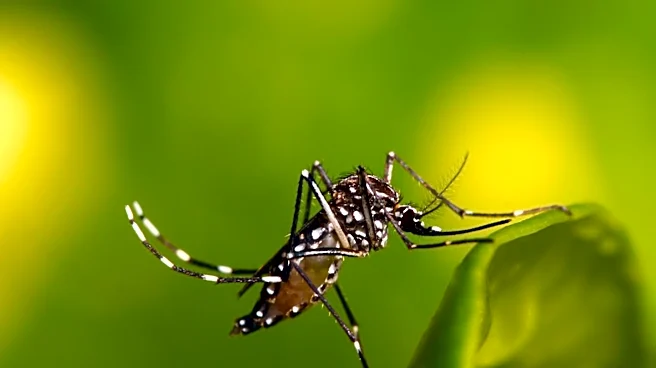
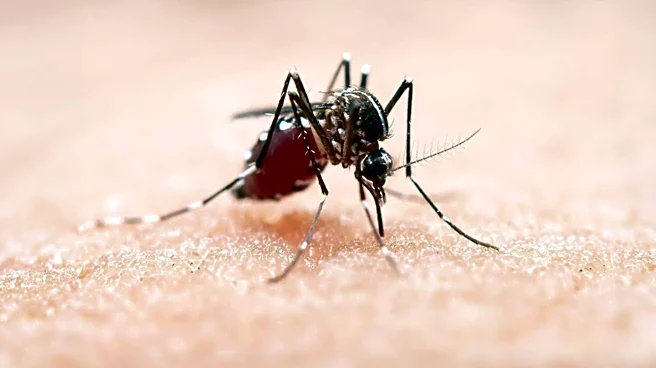
prevalent. The DOH has stated there is no connection between this new case and previous ones within Hawaii. In response, DOH teams have been deployed to the affected area to conduct inspections and implement mosquito control measures. The risk of local transmission from this particular case is considered low. However, recent rainfall has prompted the DOH to remind the public about the importance of eliminating standing water to prevent mosquito breeding and reduce the risk of vector-borne diseases. Dengue is not endemic to Hawaii, meaning cases are typically limited to travelers, with 10 of the 11 cases in 2026 linked to travel to Pacific-island countries and territories, and one to another dengue-endemic area outside the Pacific.
Why It's Important?
The recurring nature of travel-related dengue cases in Hawaii underscores a persistent public health challenge for the state, a major tourist destination. While the disease is not endemic, each imported case carries a risk of local transmission, particularly given the presence of dengue-carrying mosquitoes in Hawaii. This situation necessitates continuous vigilance and public awareness campaigns regarding mosquito control, especially after rainfall. For the tourism industry, a significant economic driver for Hawaii, outbreaks or even perceived risks of vector-borne diseases could deter visitors, impacting local businesses and employment. The DOH's proactive measures, including inspections and mosquito control, are crucial for mitigating these risks and protecting both residents and tourists. The emphasis on individual actions, such as eliminating standing water, highlights the community's role in public health efforts and disease prevention.
What's Next?
The Hawaii DOH will continue its surveillance and mosquito control efforts, particularly in areas where travel-related dengue cases are identified. Public health advisories will likely persist, urging residents and travelers to take precautions against mosquito bites and to eliminate potential breeding sites. Travelers planning to visit or returning from dengue-risk areas are advised to review current travel health information from the Centers for Disease Control and Prevention (CDC) and take preventive measures. These include using EPA-registered insect repellent, wearing protective clothing, and sleeping in screened or air-conditioned rooms. Individuals experiencing dengue symptoms after travel are encouraged to seek medical evaluation and contact the Disease Reporting Line. Ongoing public education campaigns will be vital to maintain awareness and encourage community participation in preventing the spread of the virus.
Beyond the Headlines
The ongoing challenge of travel-related dengue in Hawaii highlights the broader implications of global travel and climate change on public health. As tropical diseases become more prevalent in various parts of the world, destinations like Hawaii, with suitable mosquito habitats, face an increased risk of imported cases. This necessitates robust public health infrastructure capable of rapid response and effective vector control. Furthermore, the situation underscores the interconnectedness of global health, where an infection acquired abroad can have local public health consequences. The DOH's efforts to manage these cases reflect a continuous adaptation to evolving disease patterns and the need for integrated strategies that combine surveillance, environmental management, and public education to safeguard community health against emerging and re-emerging infectious diseases.