







What's Happening?
The U.S. Department of the Treasury has announced that Trump Accounts will begin auto-enrolling millions of children as early as October 1, following the publication of temporary regulations. This change is projected to increase the number of children enrolled
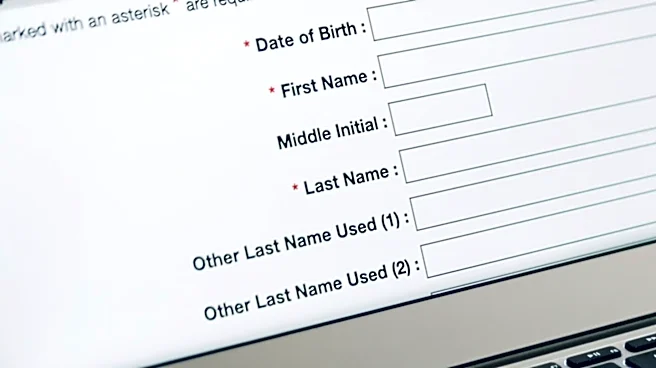
in Trump Accounts by over 60 million in 2026, with an additional two million accounts annually in subsequent years. Currently, between 7 to 8 million American children are signed up for these accounts. Treasury Secretary Scott Bessent stated that within a month, the total could reach 70 million due to auto-enrollment. The tax-deferred investing accounts, launched on July 4, include a one-time $1,000 deposit from the Treasury Department for children born between 2025 and 2028, with additional funds potentially available for qualifying families. The previous 'opt-in' requirement, involving IRS Form 4547 or TrumpAccounts.gov, resulted in low participation rates, especially among low-income families.
Why It's Important?
This policy shift represents a significant expansion of access to investment accounts for American children, particularly those from lower-income backgrounds who have historically faced barriers to participation. By moving from an 'opt-in' to an 'auto-enrollment' system, the Treasury Department aims to democratize access to long-term savings and investment opportunities, potentially fostering greater financial literacy and wealth accumulation across a broader demographic. The initial $1,000 deposit, coupled with the tax-deferred nature of the accounts, could provide a foundational asset for millions of children, helping to address wealth inequality over time. This initiative could also stimulate broader engagement with financial markets among families who might not otherwise consider such investments, thereby impacting the future economic landscape and individual financial security in the U.S.
What's Next?
As auto-enrollment begins on October 1, the Treasury Department and the IRS will focus on the logistical implementation of enrolling millions of children into Trump Accounts. This will likely involve coordination with other agencies, such as the Social Security Administration, which previously indicated plans to enroll newborns at hospitals during birth registration. While auto-enrollment addresses the initial barrier of signing up, experts like Madeline Brown of the Urban Institute suggest that significant work remains to build engagement and awareness among families. This could involve educational campaigns to inform parents about the benefits of these accounts and how to manage them effectively. The success of this initiative will depend not only on enrollment numbers but also on sustained participation and contributions, which may require further policy adjustments or support programs.
Beyond the Headlines
The auto-enrollment of Trump Accounts touches upon deeper societal implications related to intergenerational wealth transfer and financial inclusion. By providing a universal savings vehicle for children, the policy could help mitigate the effects of economic disparities that often begin at birth. It challenges the traditional model where investment opportunities are primarily accessed by those with existing financial knowledge or resources. However, the long-term impact will also depend on how families engage with these accounts beyond the initial deposit. There's a potential for these accounts to become a cornerstone of a more equitable financial future, but also a risk that without continued education and support, many accounts might remain dormant or underutilized, particularly among the most vulnerable populations. This initiative could spark broader discussions about government's role in fostering financial well-being from an early age.