






What's Happening?
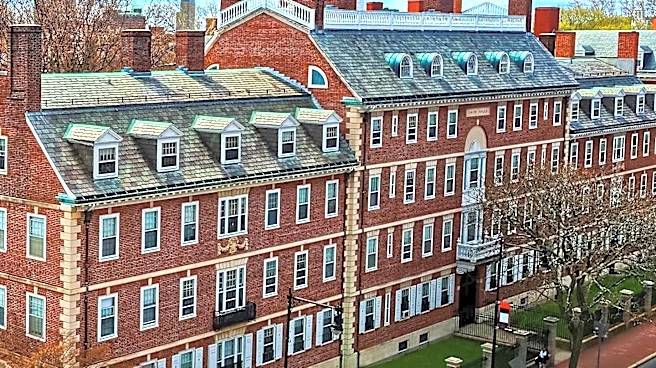
The strike by the Harvard Graduate Students Union-United Auto Workers (HGSU-UAW) has entered its second week, causing significant disruptions across Harvard University's campus. The ongoing strike has led to the cancellation of various campus events and,
in at least one instance, the disruption of a midterm exam. Union members have actively appealed to scheduled speakers and faculty to support their cause by canceling or relocating events and adjusting classes. Author John Green, for example, moved his scheduled lecture to a closed livestream and donated his honorarium to the union's strike fund in solidarity. However, some faculty members have expressed frustration with the disruptions, particularly after a midterm exam was reportedly subjected to a 'sonic assault' by picketers outside the building, affecting students. Danoff Dean of Harvard College David Deming appealed to union leaders to cease disruptions to classrooms, emphasizing that students are innocent bystanders. HGSU-UAW president Denish Jaswal stated that the union remains committed to communicating picketing plans and that a fair contract would end the disruptions. The union, representing over 4,000 student employees, is demanding higher pay, an independent grievance process for harassment and bullying complaints, and stronger protections for noncitizen members. Harvard leaders have called the strike 'unwarranted,' citing tentative agreements on key issues and arguing that it constitutes an 'intermittent strike,' which they contend is not protected by federal labor law.
Why It's Important?
This ongoing strike at Harvard University highlights the increasing labor activism within academic institutions, particularly among graduate student workers. The demands for higher pay, improved benefits, and a robust grievance process reflect broader concerns about the economic precarity faced by many graduate students and academic workers in the U.S. The disruption of academic activities, including classes and exams, underscores the critical role these student employees play in the daily functioning of major universities. The dispute also brings to the forefront legal interpretations of labor actions, with Harvard leaders questioning the legality of an 'intermittent strike' under federal labor law, a point strongly disputed by union leaders. This legal contention could set precedents for future academic labor disputes. Furthermore, the involvement of other campus unions, such as the Harvard Academic Workers-United Auto Workers (HAW-UAW), which also represents non-tenure-track faculty and is poised to strike, indicates a growing collective bargaining movement that could reshape labor relations and employment conditions across higher education institutions in the United States. The strike's impact on students, faculty, and the university's operations demonstrates the significant leverage that organized academic workers can wield.
What's Next?
A bargaining session between the HGSU-UAW and Harvard University was scheduled to take place, marking the first negotiation since the strike began. The outcome of this session will be crucial in determining the immediate future of the strike. If an agreement is not reached, the strike is likely to continue, potentially escalating disruptions as other unions, like HAW-UAW, are also poised to strike. The university will need to decide whether to concede to union demands, continue negotiations, or pursue legal avenues regarding the legality of the strike. The union, on its part, will likely maintain pressure through picketing and appeals for solidarity from faculty and the wider community. The situation could also draw attention from national labor organizations and policymakers, potentially influencing discussions around labor rights for academic workers. The long-term implications could include changes in how universities structure compensation and benefits for graduate students and non-tenure-track faculty, as well as the establishment of more formalized grievance procedures for workplace issues. The resolution of this strike could serve as a model or a cautionary tale for other universities facing similar labor challenges.
Beyond the Headlines
The Harvard graduate student strike transcends immediate labor demands, touching upon fundamental questions about the nature of academic employment and the power dynamics within elite educational institutions. The union's demands for an independent grievance process for harassment and bullying complaints, alongside protections for noncitizen members, highlight broader social justice issues within academia. This reflects a growing awareness and demand for safer, more equitable working environments for all university employees, regardless of their immigration status. The 'sonic assault' incident during a midterm exam, while condemned by some, also points to the intensity of labor disputes and the ethical dilemmas faced by both striking workers and university administrations in balancing protest rights with academic responsibilities. This strike is part of a larger national conversation about the corporatization of universities, where student workers, often performing essential teaching and research functions, are increasingly organizing to assert their rights and improve their working conditions, challenging traditional notions of the student-institution relationship.