
What's Happening?
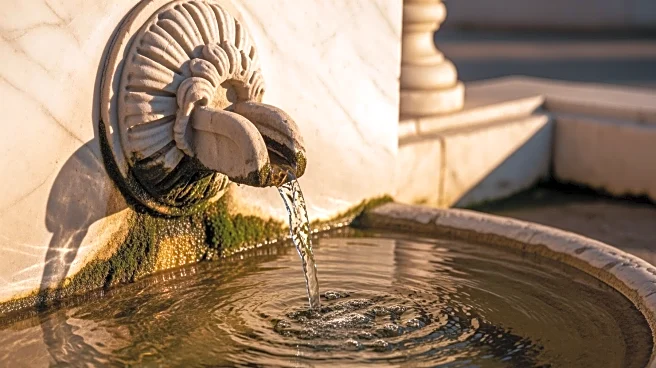
Starting February 1, Rome will impose a 2-euro fee for tourists wishing to get close to the Trevi Fountain during peak daylight hours. This initiative aims to manage tourist flows in the congested area
and offset maintenance costs for Rome's cultural heritage. The fee is expected to generate an additional $7.6 million annually for the city. The decision follows a similar ticketing system at Rome's Pantheon monument and exempts city residents from the fee. The Trevi Fountain, a late Baroque masterpiece, attracts millions of visitors annually, prompting the city to implement measures to organize visits and reduce congestion. The fee can be paid online, while waiting in line, or at tourist locations around the city.
Why It's Important?
The introduction of the tourist fee at the Trevi Fountain reflects broader efforts by European cities to address overtourism, which has led to protests from residents about the impact on daily life. By managing visitor numbers and generating revenue for maintenance, Rome aims to preserve its cultural heritage while enhancing the tourist experience. This move could set a precedent for other cities facing similar challenges, balancing the need for tourism revenue with the preservation of historical sites. The fee also highlights the growing trend of cities implementing measures to protect cultural landmarks from damage and overcrowding.
What's Next?
The permanent implementation of the fee system at the Trevi Fountain may lead to further measures to manage tourist flows in Rome. Other cities might adopt similar strategies to address overtourism and preserve cultural sites. The success of this initiative could influence future policies on tourism management and cultural preservation across Europe. Additionally, the fee system may prompt discussions on the balance between accessibility for tourists and the protection of cultural heritage.
Beyond the Headlines
The fee system at the Trevi Fountain raises questions about the ethical implications of charging for access to cultural heritage sites. While it aims to fund preservation efforts, it also introduces a financial barrier that could limit access for some visitors. This development may spark debates on the rights of citizens versus tourists in accessing cultural landmarks. Furthermore, the initiative underscores the importance of sustainable tourism practices in preserving historical sites for future generations.