


What's Happening?
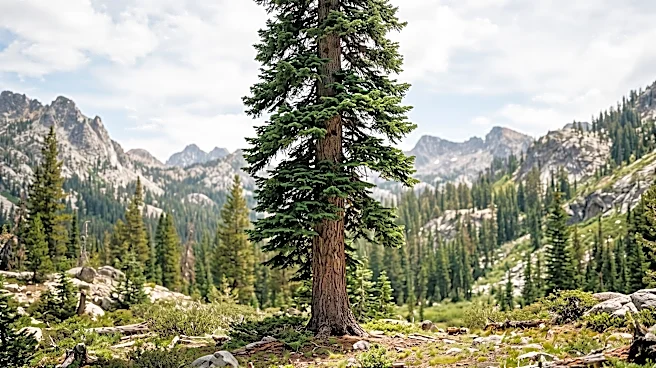
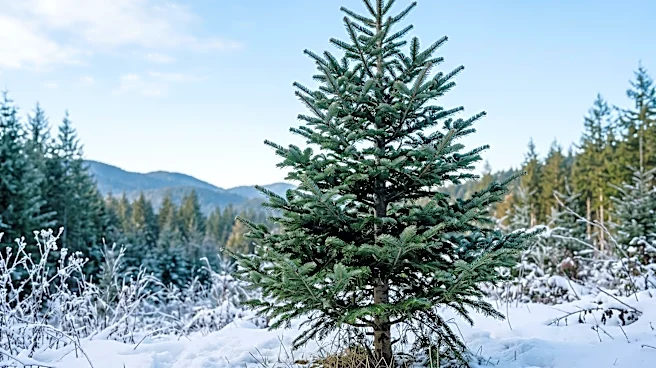
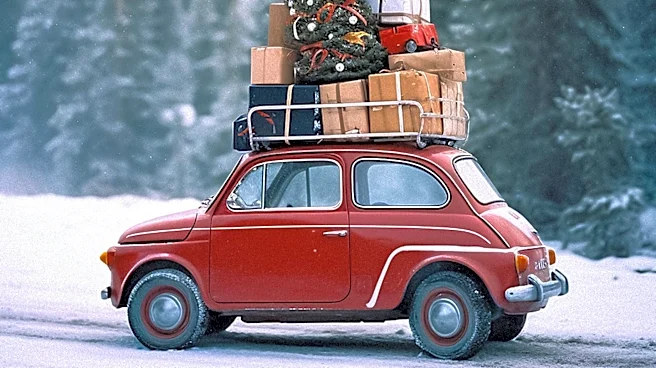
The Shawnee National Forest will soon make Christmas tree permits available online for $5, starting at 9 a.m. on Tuesday, November 17, via recreation.gov. Each permit allows for the cutting of one tree. Permitted species include Eastern Red Cedar, Loblolly
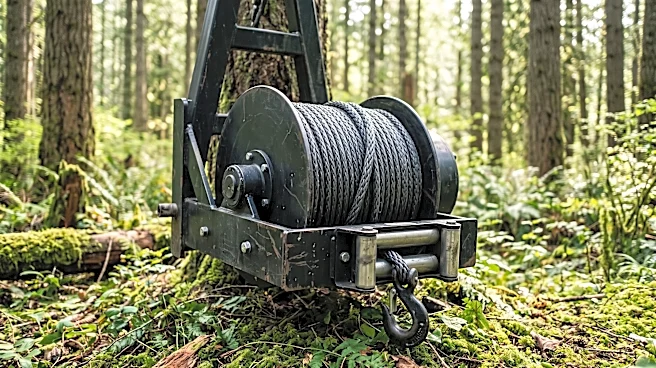
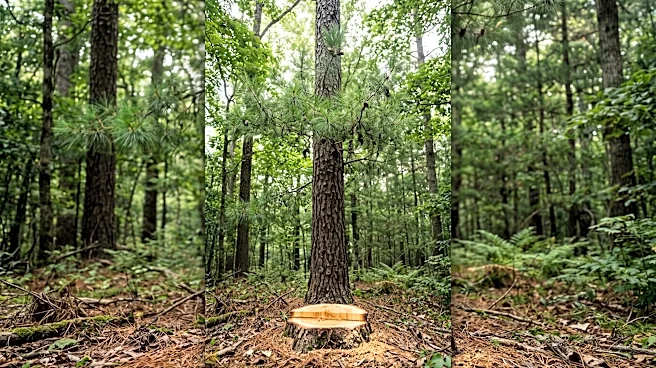
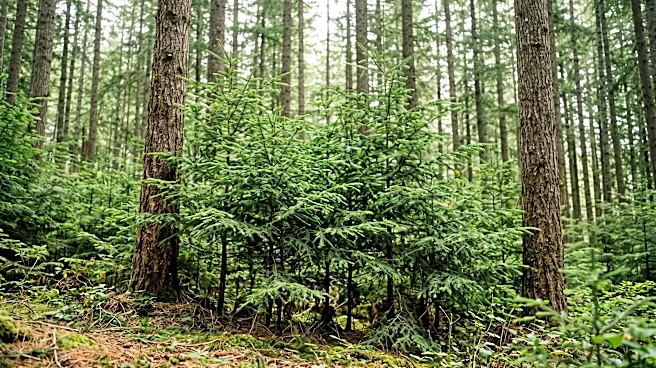
Pine, Shortleaf Pine, and White Pine. Fourth graders holding an Every Kid Outdoors pass are eligible for a free Christmas tree permit. Forest service officials emphasize that cutting Christmas trees helps improve forest health by thinning densely populated stands of small-diameter trees, which allows other trees to grow larger and creates foraging areas for wildlife. Before heading out, visitors are advised to measure the space in their home for the tree, check road and forest conditions, and prepare for adverse weather. Cutting must occur in designated areas, avoiding private property. Trees should be cut close to the ground, leaving a stump of about 6 inches. Tools such as a handsaw, gloves, boots, a tarp, and rope are recommended. Chainsaws are permitted for cutting, but mechanized equipment like trucks, tractors, or ATVs are not allowed for dragging trees.
Why It's Important?
The Shawnee National Forest's Christmas tree permit program is significant for both ecological management and public engagement. Ecologically, the program plays a vital role in maintaining forest health by facilitating the thinning of overcrowded stands of small-diameter trees. This practice reduces competition for resources among trees, allowing healthier, larger trees to thrive. It also helps to mitigate the risk of wildfires by reducing fuel loads and creating more open spaces, which are beneficial for wildlife foraging. From a public perspective, the affordable $5 permit and the free option for fourth graders with an Every Kid Outdoors pass make this a highly accessible activity, encouraging families to connect with nature and participate in a holiday tradition. This initiative fosters a sense of stewardship and provides an educational opportunity about sustainable forest management. The guidelines ensure that tree cutting is conducted responsibly, minimizing environmental impact while maximizing community benefit.
What's Next?
Permits for cutting Christmas trees in the Shawnee National Forest will be available online starting November 17. Prospective tree cutters should visit recreation.gov and search for "Shawnee National Forest Christmas tree permits" to purchase their permit. It is crucial to review the designated cutting areas, permitted tree species, and specific cutting guidelines provided by the Forest Service. Visitors are strongly encouraged to prepare for winter weather conditions, bring appropriate tools, and ensure their vehicle is equipped for forest travel. The Forest Service will continue to provide information on designated cutting areas and safety tips. This program is an annual event, and its success in promoting forest health and public participation will likely influence future forest management strategies. The emphasis on responsible cutting practices and environmental benefits will remain a core message.
Beyond the Headlines
The Shawnee National Forest's Christmas tree permit program exemplifies a broader trend in public land management where recreational activities are strategically aligned with ecological objectives. This initiative moves beyond simple resource extraction, transforming a holiday tradition into a tool for active forest restoration and wildfire prevention. By encouraging the removal of specific tree types and sizes, the Forest Service is implementing a form of community-assisted ecological engineering. This approach not only addresses immediate concerns like forest density but also educates the public on the complex dynamics of forest ecosystems. The inclusion of free permits for fourth graders through the Every Kid Outdoors pass highlights an investment in future generations' environmental literacy and stewardship. This model could inspire similar programs in other national forests, fostering a deeper connection between citizens and their natural heritage while achieving critical conservation goals.