







What's Happening?
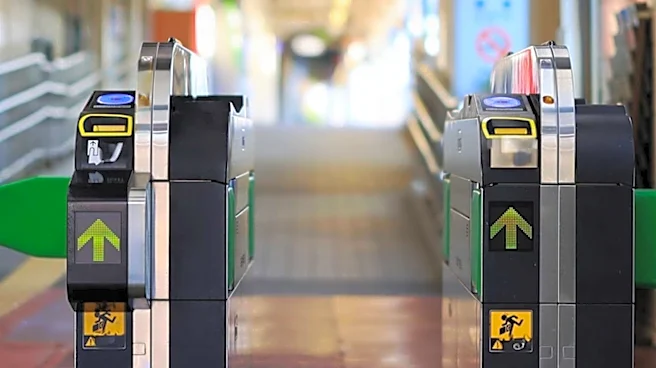
Sound Transit is considering the installation of fare gates at 14 of its busiest light rail stations to improve fare collection. This proposal, which may be voted on by the Sound Transit Board on August 27, aims to address the issue of fare evasion, which has
increased since the COVID-19 pandemic. Currently, only 63% of riders pay their fares, down from 85% in 2019. The proposed bidirectional gate system would require passengers to tap an ORCA card or other approved payment method when entering and exiting stations. The initiative is expected to cost between $79 million and $88 million, with a projected payback period of two to five years through increased fare revenue.
Why It's Important?
The introduction of fare gates is a critical step for Sound Transit to recover lost revenue and ensure the financial sustainability of its services. By reducing fare evasion, the agency can potentially increase its annual fare revenue by over $30 million. This move also highlights the challenges transit systems face in balancing accessibility with financial viability. The decision could influence other transit agencies facing similar issues, prompting them to adopt comparable measures. While the gates may improve revenue, they could also pose challenges for riders who rely on cash payments or paper tickets, necessitating adjustments in payment methods.
What's Next?
If approved, the fare gates are expected to be operational between 2029 and 2030. Sound Transit will need to address logistical challenges, such as accommodating cash payments and ensuring accessibility for all riders. The agency will also need to communicate changes effectively to minimize disruption. Future station designs are being adjusted to allow for the installation of fare gates without major reconstruction. The outcome of the August 27 vote will determine the next steps in this initiative.